Email
WhatsApp
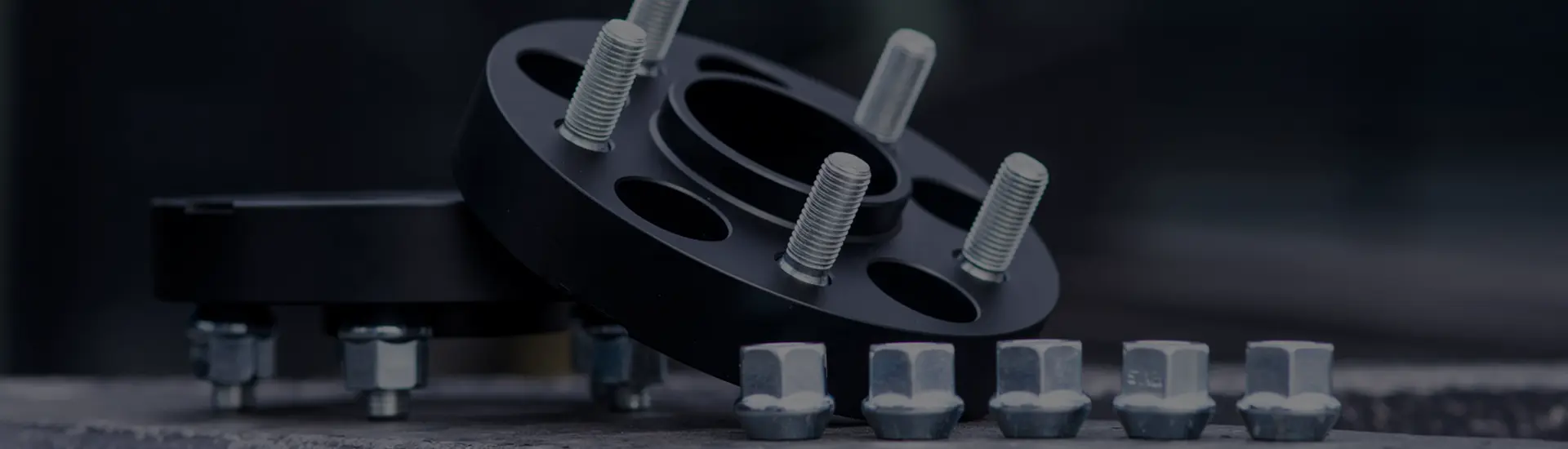

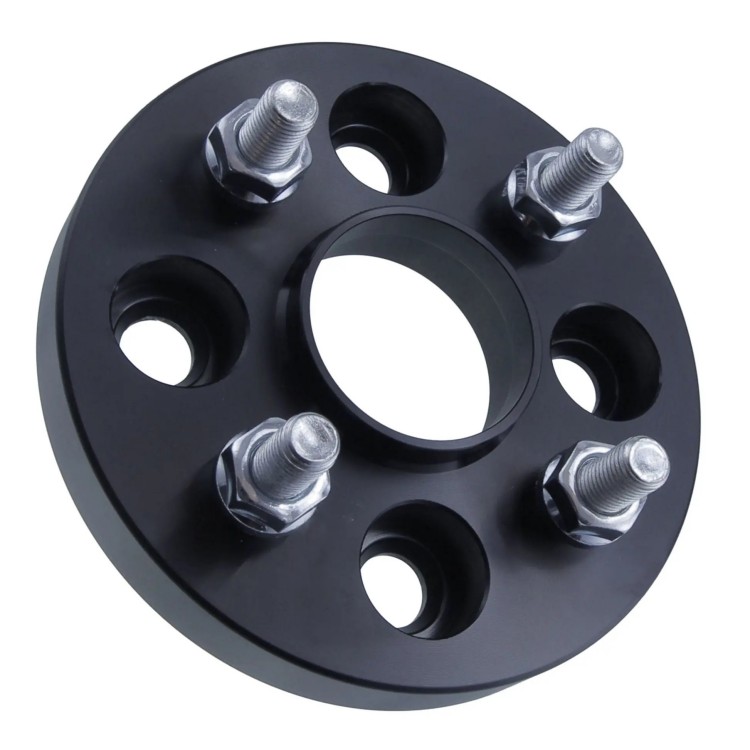
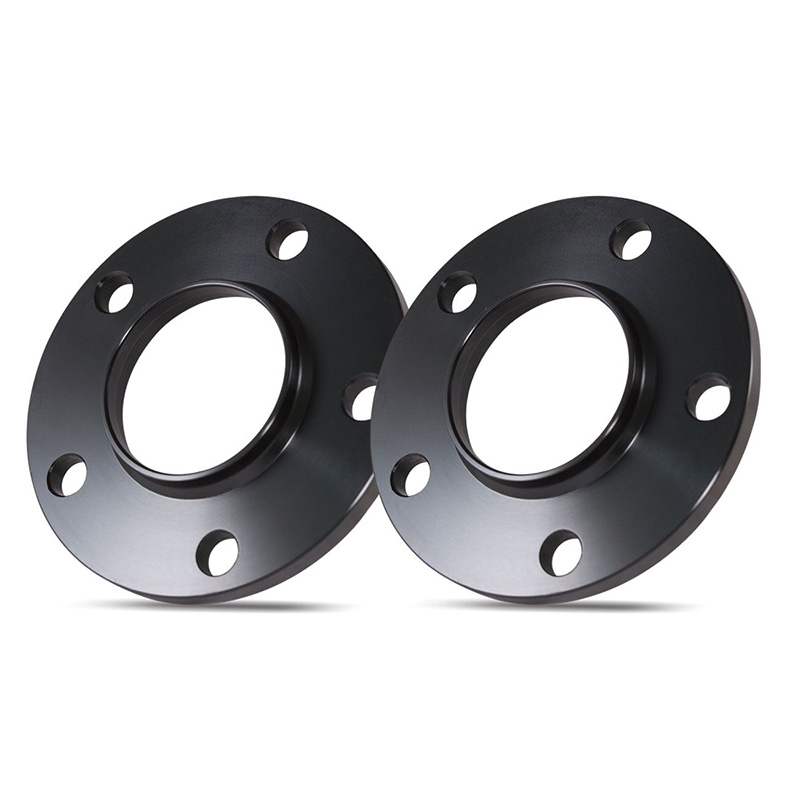
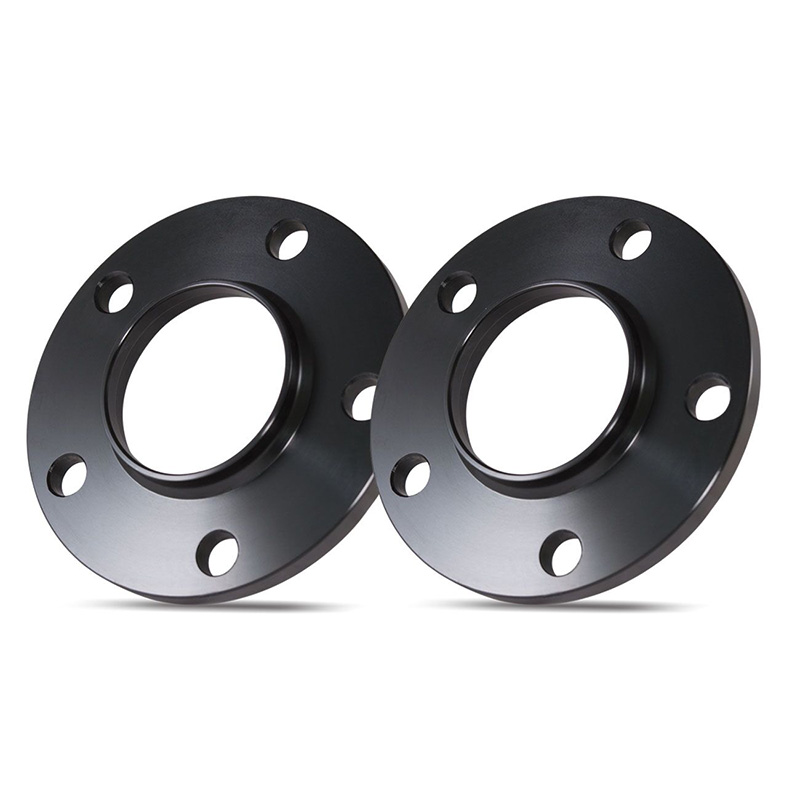
J&W Auto Parts, a professional China-based automotive parts manufacturer and supplier, provides a Jeep Wheel Spacers Adapter designed to optimize wheel fitment, increase track width, and address clearance challenges for modified Jeep vehicles. With precision-machined aluminum construction and customizable specifications, the right adapter can support practical wheel upgrades for daily driving, off-road adventures, and professional vehicle modification projects.
A Jeep wheel spacer adapter is an aftermarket component installed between the vehicle hub and wheel to change wheel positioning and provide additional clearance. It can help address tire rubbing, accommodate certain brake upgrades, and create a wider stance when correctly selected and installed. This guide explains how wheel spacers work, which specifications matter most, how to evaluate compatibility, and what buyers should consider before purchasing. It also introduces the material, manufacturing, customization, and quality-control features available from J&W Auto Parts, helping Jeep owners, automotive distributors, and modification workshops make more informed decisions.
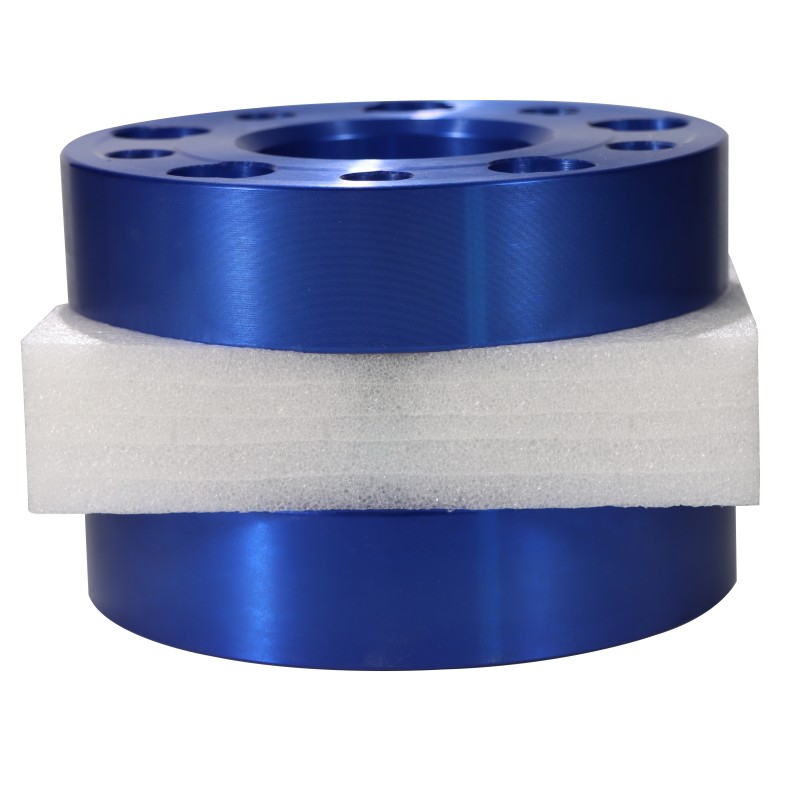
A Jeep wheel spacer adapter is a precision-engineered component that changes the distance between a wheel and the vehicle's hub mounting surface. Depending on its design, it can move the wheel outward or adapt one bolt configuration to another. Conventional spacers and bolt-pattern adapters serve related but different purposes, so buyers should confirm the product type before ordering.
For Jeep owners, this component is particularly relevant when changing wheel offsets, installing larger tires, upgrading braking hardware, or building an off-road vehicle. However, a spacer does not automatically guarantee additional clearance in every direction. The final result depends on wheel geometry, suspension design, tire dimensions, and the spacer's thickness.
J&W Auto Parts offers a dedicated Jeep Wheel Spacers Adapter made from high-strength aluminum alloy and precision-machined to support specific fitment requirements. The product is intended for vehicle owners, automotive parts distributors, and modification businesses seeking practical wheel-positioning solutions.
When the dimensions are correctly matched to the vehicle and wheel assembly, wheel spacers can address several common modification challenges.
Oversized tires, aftermarket wheels, and upgraded brake components may create interference with suspension parts or other nearby components. A properly selected spacer can increase lateral clearance where the geometry allows, helping resolve specific rubbing issues. Clearance must still be checked throughout steering and suspension travel.
Aftermarket wheels do not always sit at the desired position relative to the fenders. Spacers change the effective wheel offset, allowing installers to adjust wheel placement without replacing the wheels themselves. The appropriate thickness depends on the original offset, wheel width, and available clearance.
Moving the wheels outward can create a broader, more purposeful appearance that complements lifted suspensions and off-road tires. For vehicle builders and customization shops, this visual change can be an important part of a complete modification package.
Jeep vehicles are frequently configured for rocky trails, gravel roads, camping trips, and overlanding. Correct wheel positioning can help accommodate selected wheel-and-tire combinations. Nevertheless, spacers do not independently improve traction or guarantee better handling; the complete suspension, tire, wheel, and braking setup determines real-world performance.
Material selection and machining accuracy are important because a wheel spacer becomes part of a highly loaded wheel assembly. Consistent dimensions, suitable material properties, accurate mounting interfaces, and correctly specified fasteners all contribute to dependable fitment.
J&W Auto Parts specifies high-strength forged aluminum alloy for its Jeep spacer product. Aluminum offers a useful balance of strength and weight when the alloy, heat treatment, geometry, and manufacturing process are appropriate for the intended application. Compared with heavier steel designs, aluminum components can reduce the additional unsprung mass associated with the spacer itself.
Computer numerical control machining enables accurate production of the bolt holes, center bore, mounting faces, and other critical dimensions. These features must match the intended vehicle and wheel specifications. Poor alignment or uneven mounting surfaces may contribute to vibration, uneven clamping, and premature component wear.
J&W describes a production process involving CNC machining, thread inspection, dimensional verification, surface-treatment checks, and final product inspection. Buyers evaluating a manufacturer should also request applicable material records, inspection reports, and test documentation for the specific product and order.
For additional product information, visit the J&W wheel spacer product range to compare related wheel-positioning solutions.
The following table summarizes the specifications published for the featured J&W Jeep adapter. Confirm the exact configuration before purchasing because vehicle fitment can vary by model year, trim, axle, and previous modifications.
| Specification | Published Details |
|---|---|
| Product name | Jeep Wheel Spacers Adapter |
| Material | High-strength forged aluminum alloy |
| Thickness | 1.5 inches |
| Bolt pattern (PCD) | 5 × 5 inches (5 × 127 mm) |
| Center bore | 71.5 mm |
| Stud specification | M14 × 1.5 |
| Surface finish | Custom anodized color options |
| Customization | PCD, center bore, thickness, and stud specifications |
| Warranty | One year, subject to the manufacturer's terms |
| Minimum order quantity | 2 pieces |
Important: These are the manufacturer's published product details, not a universal fitment guarantee. A 5 × 127 mm bolt pattern alone does not establish complete compatibility. The hub bore, wheel-side interface, fastener arrangement, thread engagement, and available clearance must also be verified.
Before ordering a Jeep Wheel Spacers Adapter, confirm the vehicle's exact configuration rather than relying on the model name alone. Vehicles within the same model family can use different wheel specifications across generations, trims, or modified axles.
J&W identifies the following Jeep model families as potential applications for its featured product, subject to specification matching:
Use this checklist when requesting a fitment recommendation:
For a model-specific recommendation, provide these details to the supplier before placing an order. This is particularly important for imported vehicles, custom builds, and bulk purchasing programs.
Wheel spacers are used in several vehicle modification scenarios, but the appropriate solution depends on the problem being addressed.
Larger tires may require additional clearance from suspension components. A correctly specified spacer can help reposition the wheel, although tire width, wheel offset, lift geometry, and steering travel must be evaluated together.
Some aftermarket wheels sit farther inward than the owner wants. A spacer can adjust the effective offset to achieve the intended stance, provided the resulting wheel position remains mechanically and legally suitable.
Upgraded brake calipers can require additional wheel clearance. A spacer may help in certain configurations, but it is not a substitute for checking the wheel's internal barrel and spoke clearance or following the brake manufacturer's recommendations.
Distributors, wholesalers, and professional workshops may require multiple dimensions, packaging options, and consistent supply. J&W supports OEM and ODM customization for buyers developing vehicle-specific product assortments.
Correct installation is essential for any wheel spacer. Even a precisely manufactured component can become unsafe if the mating surfaces are contaminated, the wrong fasteners are used, or the assembly is tightened incorrectly.
Never stack wheel spacers or adapters to obtain extra thickness. Do not modify fasteners or mounting surfaces to force a fit. If vibration, unusual noise, loose fasteners, or steering changes occur, stop driving when safe and arrange a professional inspection.
Wheel spacers can change track width, wheel offset, steering geometry, and loads on wheel bearings and related components. Check applicable vehicle regulations, insurance requirements, and manufacturer guidance before modifying a road-going Jeep.
Different markets and vehicle platforms require different wheel mounting dimensions. A flexible manufacturing partner can help buyers specify products that match their target applications without relying on a one-size-fits-all configuration.
J&W Auto Parts lists the following customization options:
For wholesale orders, provide technical drawings or verified vehicle fitment data wherever possible. Before production approval, agree on dimensions, tolerances, material specifications, inspection criteria, labeling, packaging, and delivery requirements. These details help reduce ordering errors and improve consistency across repeat orders.
Choosing a supplier involves more than comparing unit prices. The product must match the intended vehicle, and the supplier should be able to explain how critical dimensions and quality requirements are controlled.
Use the following evaluation criteria when comparing manufacturers:
J&W Auto Parts is based in Ningbo, Zhejiang, China, and specializes in wheel spacers, wheel lug nuts, wheel lug bolts, and related automotive fasteners. Its published capabilities include CNC machining, production equipment, dimensional inspection, and OEM/ODM services. Buyers should request current, product-specific documentation when assessing a proposed order.
Explore the wheel spacer adapter product range to review related solutions for different vehicle applications.
A Jeep Wheel Spacers Adapter changes the distance between the wheel and hub mounting surface. It can help adjust wheel offset, create a wider stance, and provide additional clearance for certain tire or brake configurations. The result depends on correct dimensions and vehicle-specific fitment.
The featured product is listed with a 1.5-inch thickness, a 5 × 5-inch bolt pattern, a 71.5 mm center bore, and M14 × 1.5 studs. It uses high-strength forged aluminum alloy and supports selected customization options. Verify the current specification and complete interface details with J&W before ordering.
Aluminum wheel spacers can be suitable when their alloy, design, manufacturing quality, load capacity, and mounting interfaces meet the demands of the intended vehicle. Off-road use adds impact and load-cycle demands, so buyers should verify the product's suitability and follow the manufacturer's installation and maintenance instructions.
Determine the desired wheel position from the existing wheel offset, wheel width, tire dimensions, and available clearance. Check the resulting position at full steering lock and throughout suspension travel. A qualified installer or fitment specialist can help calculate an appropriate thickness for the specific vehicle.
No. Compatibility can vary by generation, model year, trim, axle, and aftermarket modifications. Matching the bolt pattern alone is insufficient; center bore, fasteners, thickness, wheel interface, and clearance must also be verified before installation.
Yes. J&W lists customization options for spacer thickness, bolt pattern, center bore, stud specifications, surface finish, logo marking, and packaging. Buyers should provide their target application and technical requirements to confirm feasibility, minimum order quantity, and production terms.
Verify correct fastener torque, wheel seating, thread engagement, tire and brake clearance, and steering and suspension movement. Follow the specified inspection and re-torque schedule. If vibration or unusual noise develops, arrange a professional inspection promptly.
Selecting the right wheel spacer requires careful attention to fitment, material, manufacturing precision, installation procedures, and the intended driving environment. A well-matched product can help address wheel-positioning and clearance requirements while supporting a carefully planned vehicle modification. For automotive distributors, wholesalers, and modification workshops, reliable technical support and clearly defined quality requirements are equally important.
J&W Auto Parts offers high-strength aluminum Jeep wheel spacer adapters, precision machining, and OEM/ODM customization options for a range of automotive applications. Whether you need a standard configuration or a tailored solution for your product line, contact us to discuss your vehicle specifications, customization requirements, bulk purchasing needs, and product documentation. Work with our team to identify a suitable wheel spacer solution for your next project.