Email
WhatsApp


Wheel Fastener Guides
Thread, seat, and drive — the three numbers that decide whether a lug nut fits your car. Get one wrong and the wheel comes loose, no matter how tight you crank it.
The three most common lug nut sizes are M12x1.5, M14x1.5, and M12x1.25 — the first number is the thread diameter in millimetres, the second is the pitch. But size alone isn't enough: the seat type (conical, ball, or flat) has to match your wheel too. Both must be right, or the nut won't hold.
| Thread size | Typical makes | Hex |
|---|---|---|
| M12 x 1.5 | Honda, Toyota, Chevrolet, Kia, Hyundai, Mazda | 19 / 21 mm |
| M12 x 1.25 | Nissan, Subaru, some Suzuki | 19 / 21 mm |
| M14 x 1.5 | BMW, Audi, Mercedes, VW, Ford F-150 (2015+), HD trucks | 19 / 22 mm |
| 1/2" - 20 | Older Ford, Chevrolet, Dodge, Jeep | 19 / 21 mm |
| 9/16" - 18 | Older heavy-duty Dodge / Ram | 22 mm |
Sizes shift by model and year — new BMW, VW, Audi, and Mercedes moved from M12x1.5 to M14x1.5, and the Ford F-150 switched to M14x1.5 in 2015.[3] Treat the chart as a starting point and verify against your actual studs.
People say "lug nut size" as if it's one figure. It's really three separate decisions, and each one can bite you:
Get the thread right but the seat wrong and the nut will torque up fine on the wrench, then work loose on the highway. That's not a scare story — it's the single most common lug nut mistake we see come back from the field. Let's take the three in order.
Thread size is written as diameter × pitch. In M12x1.5, the "12" is the stud diameter in millimetres and the "1.5" is the distance between threads. Match both numbers to your studs exactly — an M12x1.5 nut will start onto an M12x1.25 stud and then strip, because the threads don't line up.
What is the difference between M12x1.5 and M14x1.5 lug nuts?
The thread diameter. M12x1.5 has a 12 mm stud diameter, M14x1.5 has 14 mm — both with a 1.5 mm pitch. M12x1.5 is common on Japanese and many domestic cars; M14x1.5 is used on European makes, newer trucks, and heavy-duty vehicles. They are not interchangeable.
One pitch is worth flagging: the finer M12x1.25 (Nissan, Subaru) is more prone to cross-threading than coarser pitches, so start those by hand for the first two turns before any impact.[2] Whatever the thread, the number has to match the stud, not the wheel — the wheel's job is the seat, which is next.
What are the different lug nut seat types?
Three: conical (60° tapered, also called acorn) on most aftermarket and passenger wheels; ball (rounded/radius) on many European and factory Honda wheels; and flat (washer face) on some trucks and select alloys. The seat must match the wheel's lug holes, or clamping force lands on an edge.
The seat is the surface where the nut meets the wheel, and it matters as much as the thread. "Acorn" and "conical" are the same thing — the informal and technical names for the common 60° taper.[1] Here's the failure that catches people out: put a conical nut on a ball-seat wheel (or the reverse) and it still torques to spec on the wrench, but the clamping load rides on a thin chamfer edge instead of the full seat face. Under highway load, that wheel loosens.[2]
| Seat | Shape | Found on |
|---|---|---|
| Conical (acorn) 60° | Tapered cone | Most aftermarket wheels; many passenger cars |
| Ball / radius | Rounded (R12–R14) | BMW, Mercedes, VW, Audi, Porsche, factory Honda |
| Flat / mag | Flat washer face | Some trucks and select alloy wheels |
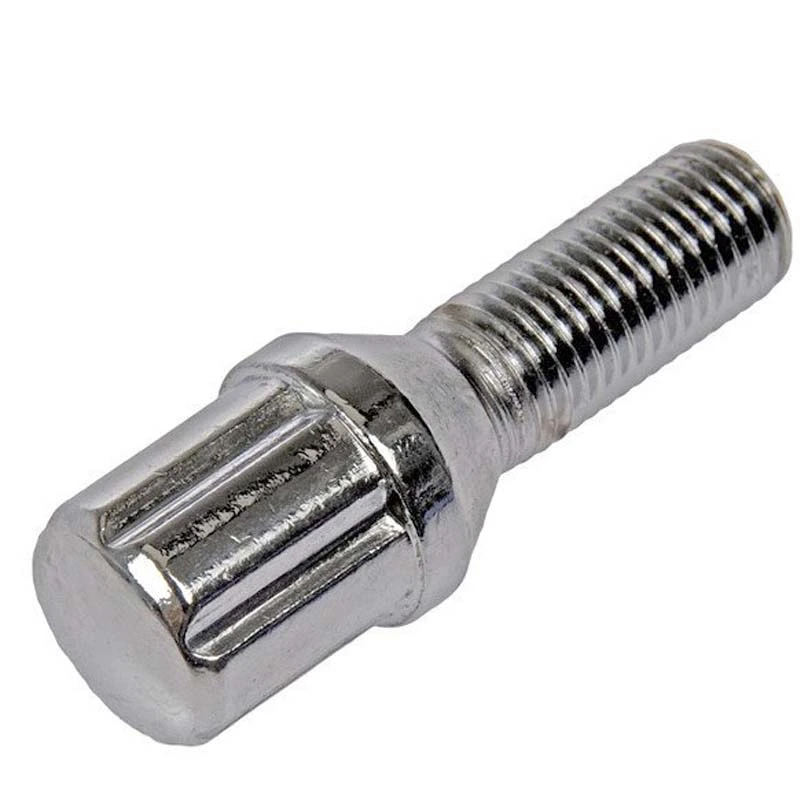
This is also why European wheels typically run ball-seat lug bolts rather than nuts — the rounded seat matches the wheel's radius holes. Match the seat first, then the thread.
The drive is how you turn the nut. It doesn't affect clamping, but it affects clearance, security, and which socket you need:
We machine wheel lug nuts in all three drives across M12 and M14 threads and every seat type, so a distributor can match the wheel exactly instead of forcing a near-fit.
Five checks pin down the exact part. Do them before you order — guessing here is what leads to a returned box or a loose wheel:
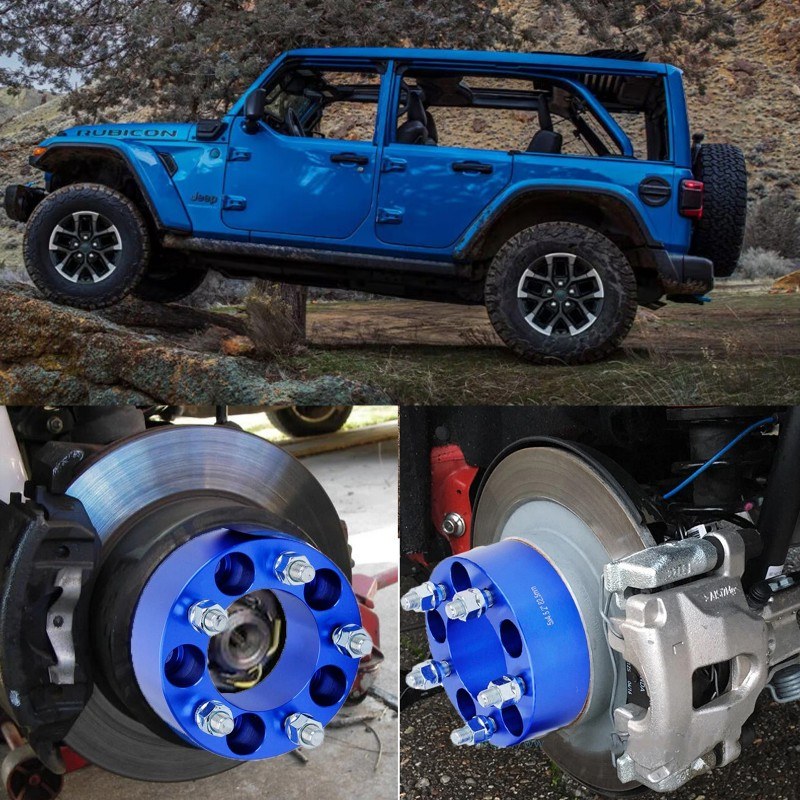
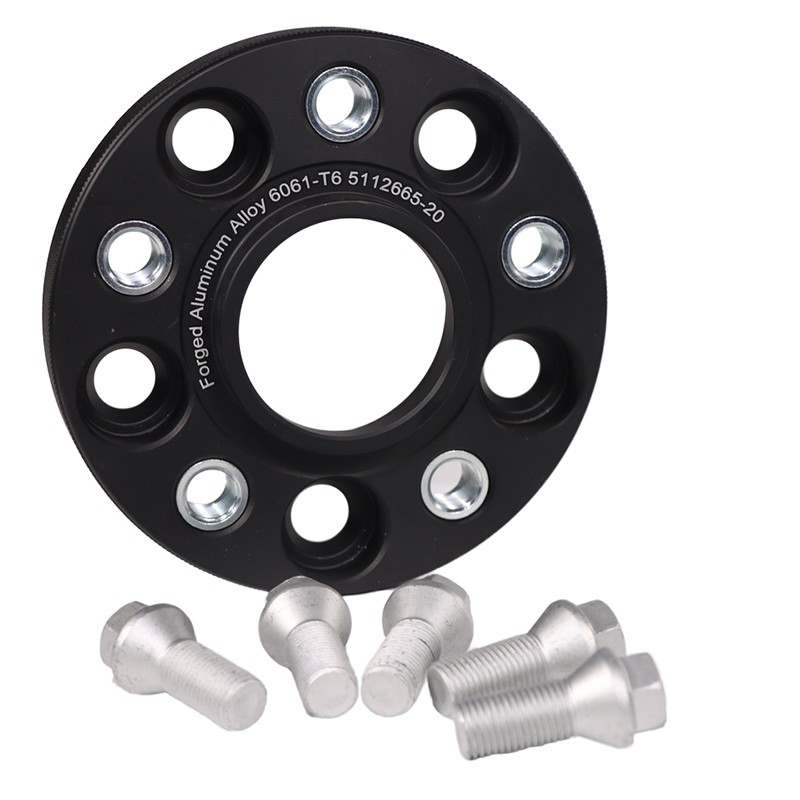
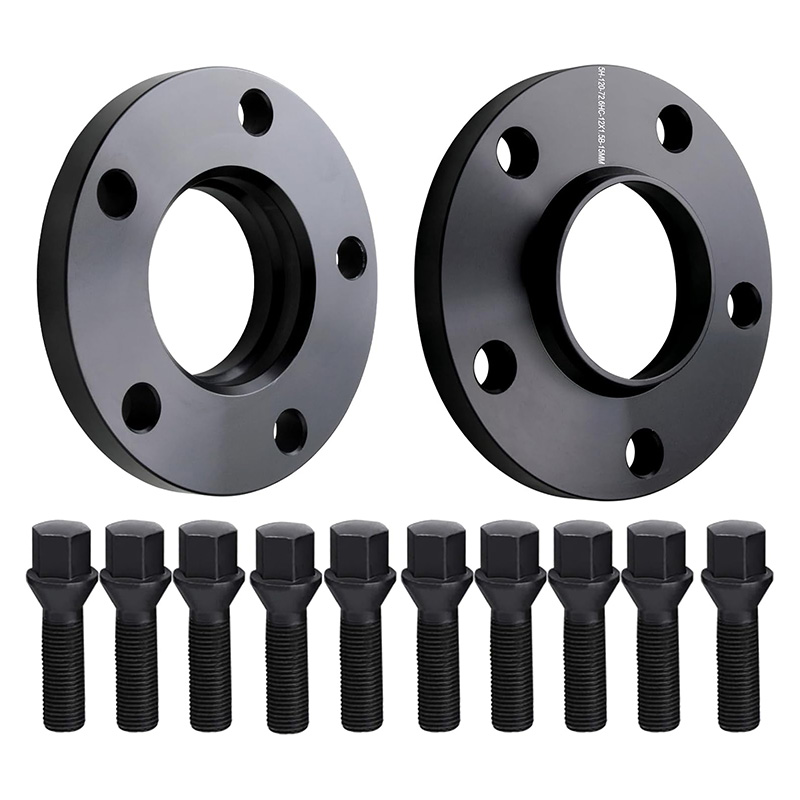
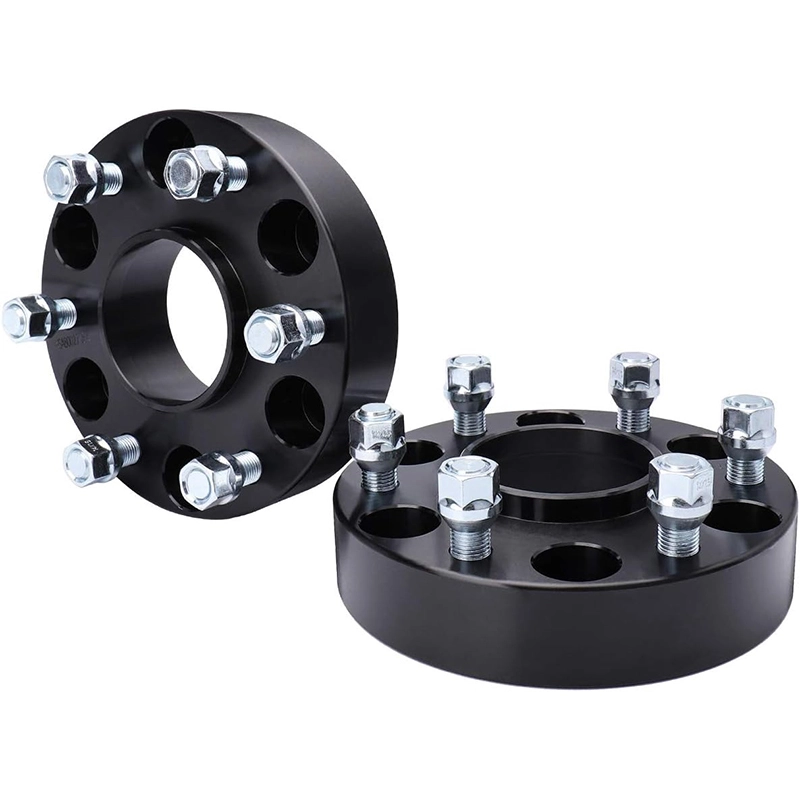
Running spacers or extended studs? Then thread engagement becomes the thing to watch — our guide on whether wheel spacers are safe covers the engagement rule in detail.
The most common sizes are M12x1.5, M14x1.5, and M12x1.25. M12x1.5 covers many Japanese and domestic cars, M14x1.5 covers European makes and newer trucks, and M12x1.25 is typical of Nissan and Subaru. Always match the thread to your studs, not the wheel.
Any M14x1.5 nut — 14 mm diameter, 1.5 mm pitch — with a seat matching your wheel. Most aftermarket wheels use conical (60°) seats; European wheels often use ball seats. Common on BMW, Audi, Mercedes, VW, the 2015+ Ford F-150, and heavy-duty trucks.
Yes. "Acorn" is the informal name and "conical" the technical one for the same 60° tapered-seat lug nut — the most common style on aftermarket wheels. Ball-seat (rounded) nuts are the ones that differ, used mainly on European and factory Honda wheels.
Only on wheels machined for a conical seat, which is most aftermarket wheels. On a ball- or flat-seat wheel, a conical nut contacts on an edge rather than the full seat and will loosen over time. Always match the seat type to the wheel.
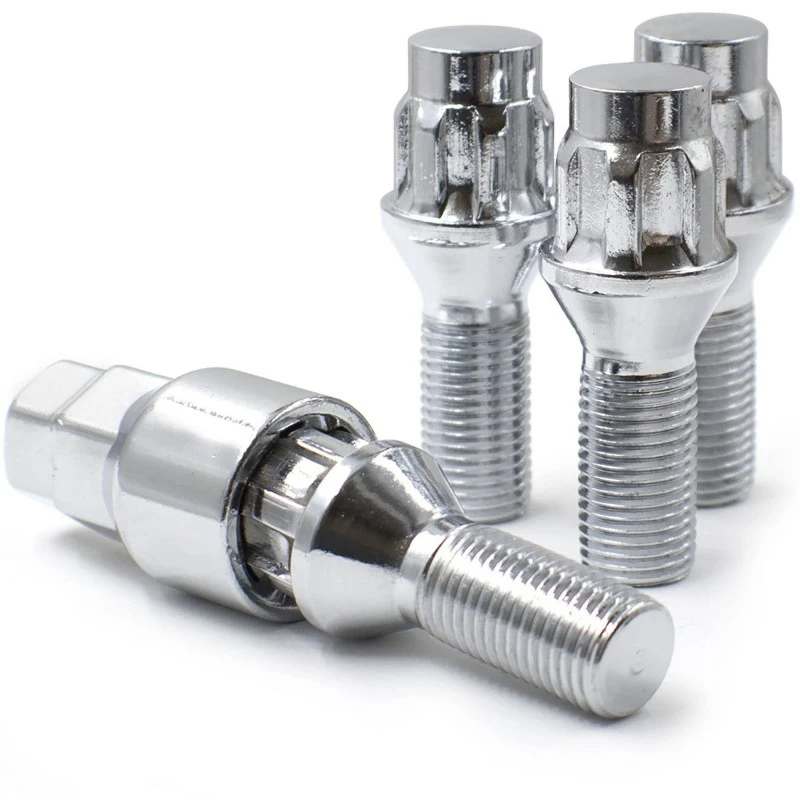
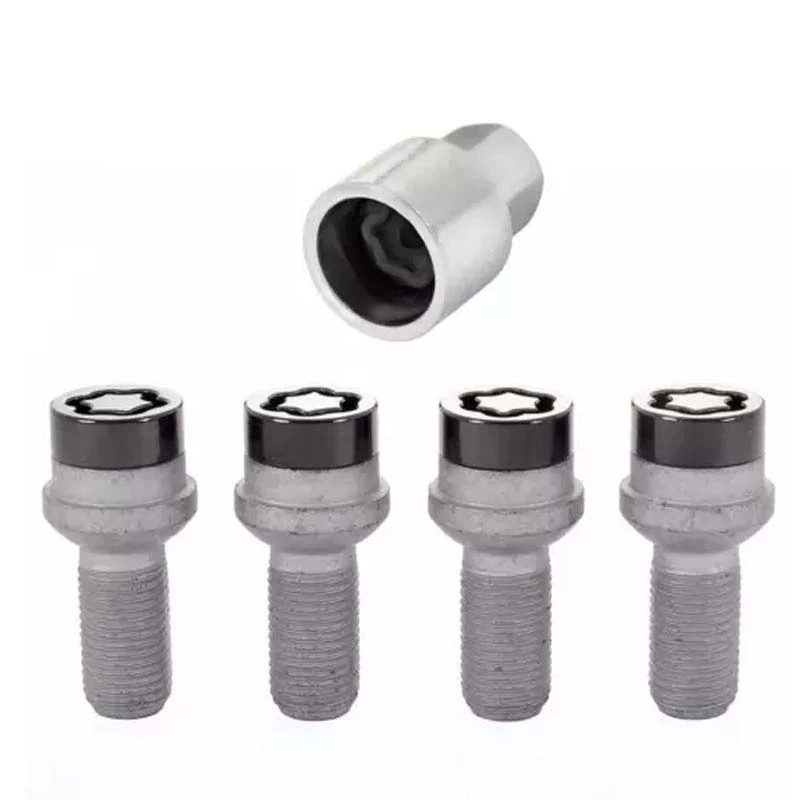
Spline (tuner) lug nuts have a slim splined head turned with a key socket. The narrow body clears small lug holes on many aftermarket wheels where a bulky hex nut won't fit, and the key adds a measure of theft resistance over standard hex nuts.
They can. A mismatched thread strips studs; a mismatched seat clamps on an edge and lets the wheel loosen; too-short nuts leave inadequate thread engagement. Any of these risks a wheel coming loose at speed, so match thread, seat, and length before fitting.
The bottom line
Match the thread to your studs, the seat to your wheels, and the drive to your clearance and socket. Get all three right and torque to spec, and the wheel stays put. We forge lug nuts and bolts in every common thread, seat, and drive under IATF 16949 — so the fastener is the easy part.
This guide is general reference. Lug nut thread, seat, and length vary by make, model, and year — always confirm against your vehicle's studs and wheels before ordering, and torque to the manufacturer's spec. Using the wrong lug nut is a safety risk.