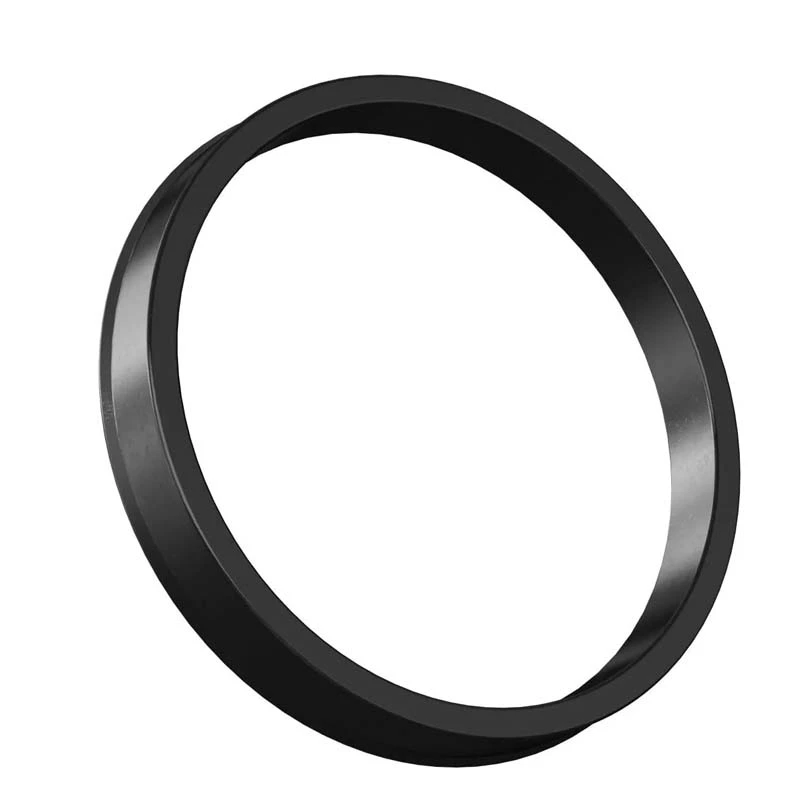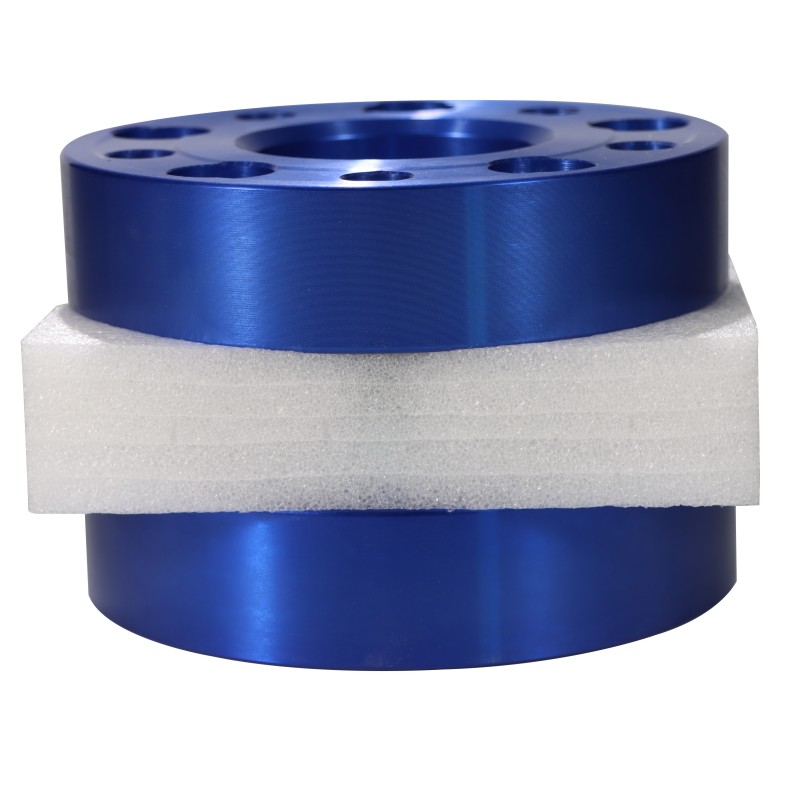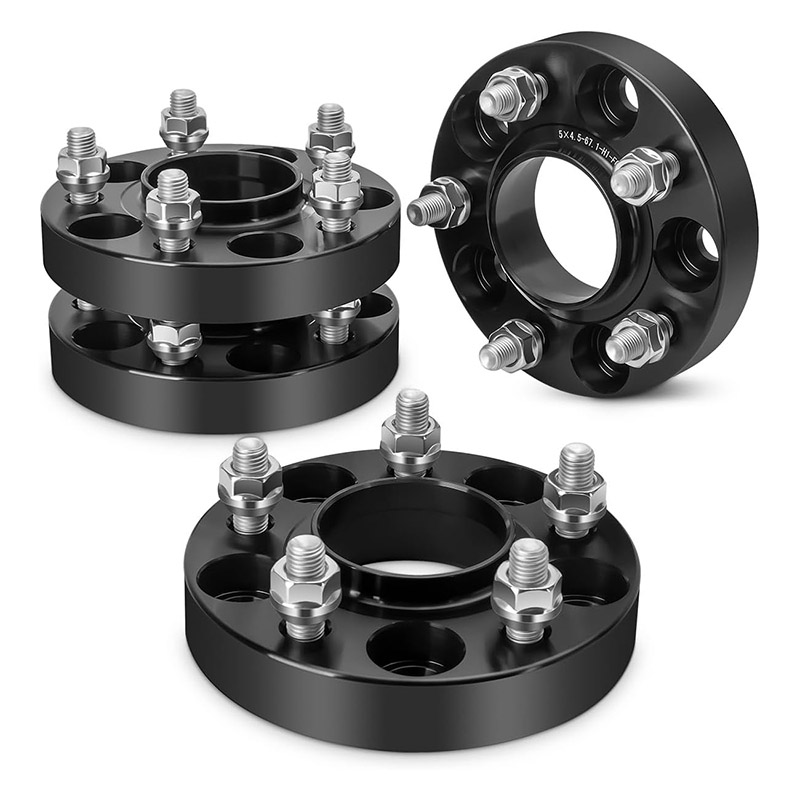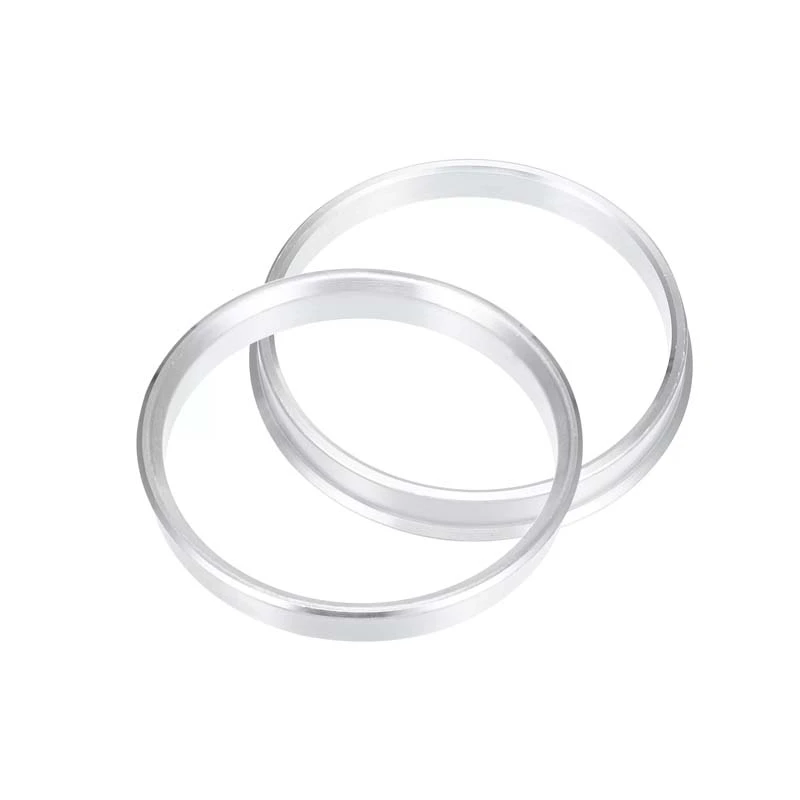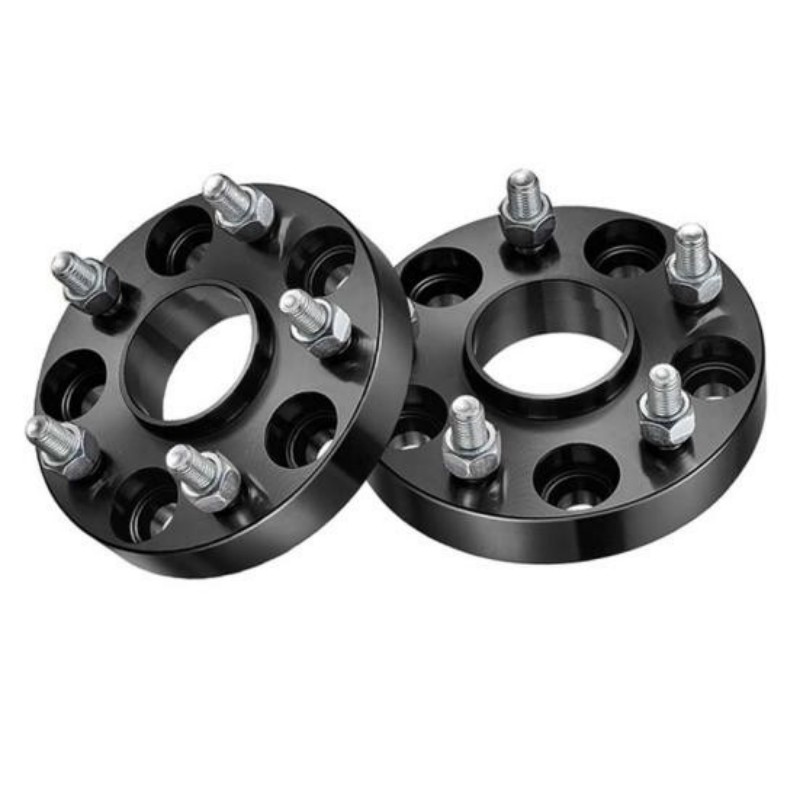
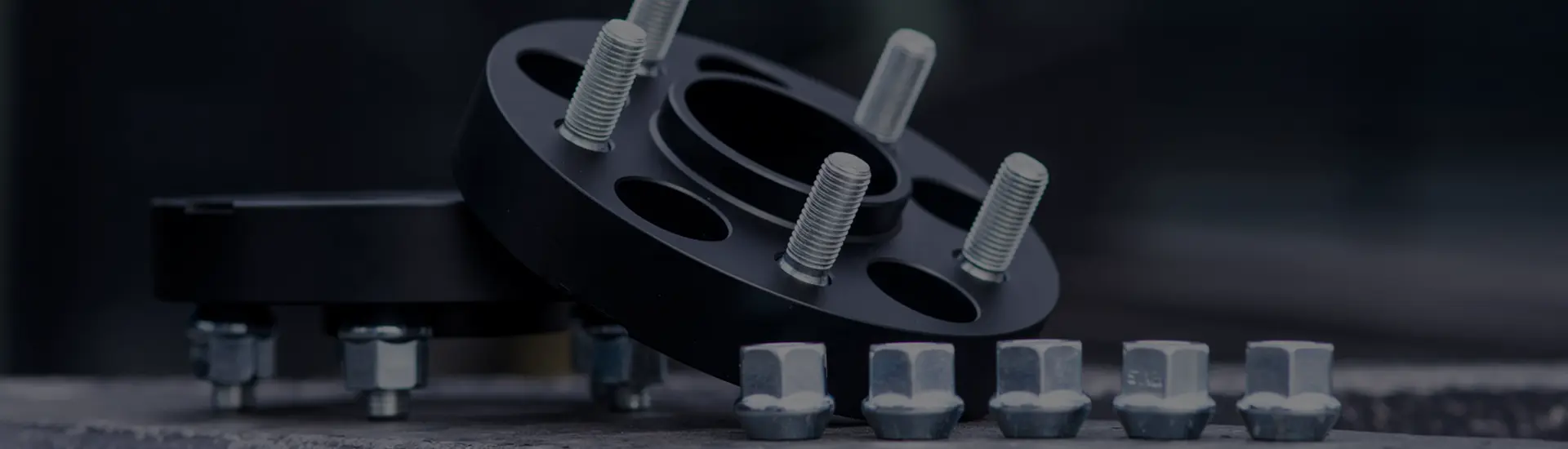

For Mercedes-Benz owners, wheel upgrades are not only about appearance but also about precise fitment, clearance, and reliable installation. J&W manufactures Mercedes Wheel Spacers Adapter solutions from high-strength 6061-T6 aluminum, with dimensional control, multiple thickness options, and customized fitment for different Mercedes-Benz applications.
A properly selected wheel spacer or adapter can help solve wheel fitment conflicts, adjust track width, create additional brake clearance, and support aftermarket wheel installations. However, the correct PCD, center bore, thickness, thread specification, and bolt engagement must be confirmed before purchase. J&W Auto Parts provides Mercedes wheel spacer adapter solutions with standard and customized specifications, helping distributors, tuning businesses, workshops, and vehicle owners match wheel hardware to specific Mercedes-Benz applications.
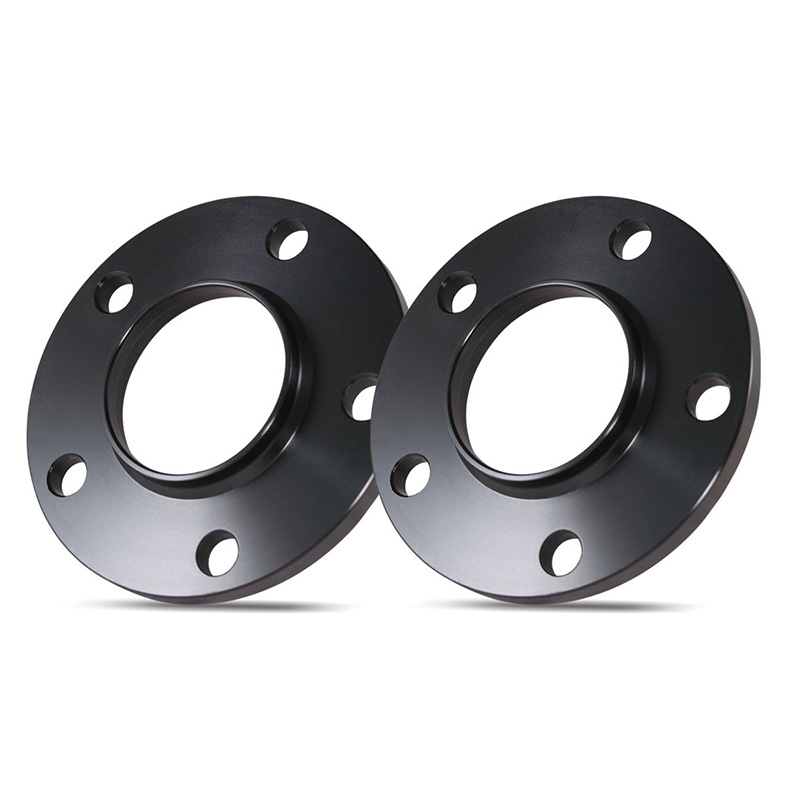
Table of Contents
What Is a Mercedes Wheel Spacers Adapter?
Which Specifications Matter Most?
How Do You Check Mercedes-Benz Compatibility?
How to Choose the Right Product?
What Is a Mercedes Wheel Spacers Adapter?
A Mercedes wheel spacer adapter is an engineered component positioned between the vehicle hub and wheel to modify wheel positioning or accommodate a different wheel mounting specification. Depending on its design, it can increase the distance between the wheel and hub, change the effective offset, or allow a wheel with a different bolt pattern to be fitted.
It is important to distinguish between a conventional wheel spacer and a wheel adapter. A spacer generally maintains the same PCD on both sides and is primarily used to move the wheel outward. An adapter can incorporate different PCD configurations, allowing a wheel with a different bolt pattern to be installed when the application has been properly engineered.
J&W Auto Parts manufactures these products using 6061-T6 aluminum and offers multiple thickness options. The company states that its products undergo dimensional control and quality testing, with OEM and ODM customization available for specific applications.
What Problems Can It Solve?
1. Aftermarket Wheel Fitment
Mercedes-Benz vehicles can have different wheel specifications across generations, trims, and models. When an aftermarket wheel does not directly match the original mounting configuration, a properly engineered adapter may provide a practical fitment solution.
2. Track Width Adjustment
Adding a spacer moves the wheel outward from the hub. This changes the vehicle's track width and can create a more flush relationship between the wheel and fender. The actual effect depends on spacer thickness, wheel offset, tire dimensions, suspension geometry, and vehicle configuration.
3. Additional Clearance
Modified vehicles may require additional clearance between the wheel, brake components, suspension parts, or other surrounding components. Selecting the correct spacer thickness can help address certain clearance conflicts, provided that the complete wheel assembly remains within safe dimensional limits.
4. Wheel Replacement and Modification Projects
For automotive distributors, tuning shops, and modification specialists, customized adapters can simplify projects involving non-standard wheels. Instead of treating every application as a universal fit, the adapter can be specified according to the vehicle and target wheel parameters.
Which Specifications Matter Most?
Buying a spacer based only on the Mercedes-Benz model name is not sufficient. Wheel fitment depends on several dimensions that should be verified before ordering.
| Specification | What It Determines | Why It Matters |
|---|---|---|
| PCD / Bolt Pattern | Position and number of mounting holes | Must match the vehicle and target wheel requirements |
| Center Bore | Hub-to-wheel centering | Important for accurate alignment and vibration control |
| Thickness | How far the wheel moves outward | Affects effective offset, stance, and clearance |
| Thread Specification | Compatibility with wheel fasteners | Incorrect thread dimensions can compromise installation |
| Material | Structural and environmental performance | High-strength aluminum provides a balance of strength and weight |
| Hub-Centric Design | How the assembly is centered | Helps maintain accurate wheel positioning |
According to J&W's product information, available thicknesses include 10 mm, 15 mm, 20 mm, and 30 mm, while the standard product information lists a 66.5 mm center bore. Because Mercedes-Benz fitment varies by application, buyers should confirm the exact hub and wheel dimensions rather than relying on a general specification.
How Do You Check Mercedes-Benz Compatibility?
Compatibility should be confirmed using actual vehicle and wheel measurements. J&W's published compatibility information identifies 5×112 applications for several Mercedes-Benz passenger-car families, while other models require confirmation according to the specific vehicle configuration.
| Mercedes-Benz Application | Common PCD | Center Bore Information | Typical Project |
|---|---|---|---|
| C-Class W204/W205/W206 | 5×112 | 66.6 mm listed | Wheel upgrades and track adjustment |
| E-Class W212/W213/W214 | 5×112 | 66.6 mm listed | Aftermarket wheel fitment |
| S-Class W221/W222/W223 | 5×112 | 66.6 mm listed | Wheel modification projects |
| GLC X253/X254 | 5×112 | 66.6 mm listed | SUV wheel upgrades |
| GLE / GLS / G-Class | Confirm by vehicle | Confirm by vehicle | Customized fitment solutions |
| Mercedes-AMG Models | Confirm by vehicle | Confirm by vehicle | Performance wheel applications |
Before ordering, prepare the following information:
- Mercedes-Benz model and model year
- Original wheel PCD
- Original hub center bore
- Target wheel PCD and center bore
- Wheel diameter and width
- Wheel offset or ET value
- Required spacer or adapter thickness
- Existing fastener specifications
What Are the Main Benefits?
Precision Fitment
Accurate machining is essential because even small dimensional inconsistencies can affect wheel centering and installation. CNC machining and controlled dimensions help produce a more consistent interface between the hub, adapter, and wheel.
High-Strength Aluminum Construction
J&W specifies 6061-T6 aluminum for its Mercedes wheel spacer adapter products. This material provides a useful combination of mechanical strength, corrosion resistance, and relatively low weight for automotive wheel applications.
Flexible Thickness Options
Different vehicles and wheels may require different positioning. Multiple thickness options make it easier to address individual clearance and stance requirements instead of relying on one universal dimension.
OEM and Custom Manufacturing
For distributors and automotive modification businesses, customized PCD, dimensions, materials, and other specifications can be important when developing application-specific wheel solutions. J&W provides OEM/ODM services for such requirements.
How to Choose the Right Product?
A reliable selection process should start with measurements rather than appearance. Consider the following sequence:
- Identify the exact Mercedes-Benz model and year. Different generations may have different wheel mounting specifications.
- Measure or verify the original PCD. Do not assume that every Mercedes-Benz model uses exactly the same configuration.
- Confirm the center bore. A properly matched hub interface supports accurate wheel centering.
- Calculate the required thickness. Consider the original wheel offset, replacement wheel offset, tire width, brake clearance, and fender position.
- Check fastener specifications. Verify thread diameter, pitch, length, and seat type.
- Confirm load and application requirements. Daily road use, performance driving, SUV applications, and commercial use can have different engineering requirements.
For professional buyers, providing complete vehicle and wheel information to the manufacturer can significantly reduce the risk of ordering an incompatible specification.
How Should It Be Installed?
Installation quality is as important as product quality. Before installation, the hub and mating surfaces should be clean, dry, and free from rust, dirt, and debris. A dry-fit check can help verify that the adapter sits correctly on the hub before final fastening.
Fasteners should initially be installed by hand and then tightened with a calibrated torque wrench according to the applicable vehicle and hardware specifications. J&W's installation guidance recommends a diagonal tightening pattern rather than tightening adjacent bolts sequentially.
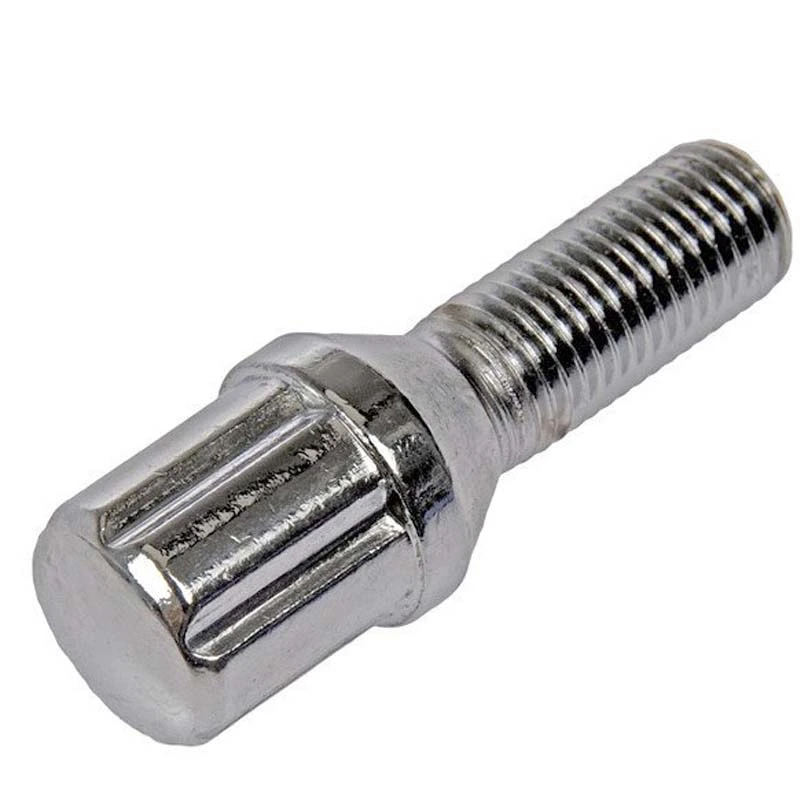
For applications using extended bolts, sufficient thread engagement must be maintained. The published J&W guidance indicates checking for approximately 7–8 full turns or an engagement depth of around 10–12 mm when applicable. The exact requirement should always be confirmed against the vehicle, fastener, and adapter design.
After installation:
- Check wheel and tire clearance through the full steering range.
- Inspect clearance around the brake caliper and suspension components.
- Confirm that the wheel sits completely against the adapter mounting surface.
- Verify fastener torque using the appropriate torque specification.
- Recheck the installation after an initial period of driving.
For safety-critical wheel components, installation should be performed by a qualified automotive professional when the installer is not familiar with wheel spacer and adapter systems.
Why Consider J&W Auto Parts?
J&W Auto Parts, also known as Ningbo Junwei Auto Parts Co., Ltd., is a China-based automotive parts manufacturer and supplier specializing in wheel lug nuts, wheel bolts, wheel spacers, and wheel spacer adapters. The company reports approximately 20 years of manufacturing experience in these product categories and provides OEM/ODM customization services.
Its Mercedes wheel spacer adapter offering combines 6061-T6 aluminum construction with dimensional control and multiple specification options. According to the company's published product information, the minimum order quantity for the Mercedes product is two pieces, making the solution suitable for both testing requirements and larger aftermarket purchasing programs.
For buyers evaluating a wheel spacer manufacturer, the ability to discuss PCD, center bore, thickness, thread specifications, and custom dimensions directly with the factory can simplify product sourcing and application development.
J&W also manufactures related automotive wheel accessories, allowing distributors and aftermarket businesses to source multiple wheel hardware categories from one supplier.
Frequently Asked Questions
1. What material is used for J&W Mercedes wheel spacer adapters?
J&W specifies high-strength 6061-T6 aluminum for its Mercedes wheel spacer adapter products. The material offers a balance of strength and weight for automotive wheel applications.
2. What thicknesses are available?
J&W lists 10 mm, 15 mm, 20 mm, and 30 mm thickness options. Custom specifications may also be discussed according to vehicle and wheel requirements.
3. Does every Mercedes-Benz model use the same wheel spacer adapter?
No. Mercedes-Benz models and generations can have different wheel mounting specifications. PCD, center bore, wheel offset, thread specification, and other dimensions should be confirmed before ordering.
4. What is the difference between a spacer and an adapter?
A spacer generally keeps the same PCD on both sides and moves the wheel outward. An adapter may use different PCD configurations to allow a compatible target wheel to be mounted to the vehicle.
5. Can J&W provide customized Mercedes wheel spacer adapters?
Yes. J&W provides OEM/ODM customization and can discuss dimensions, PCD, center bore, thickness, materials, and other specifications according to project requirements.
6. What information should I provide when requesting a quotation?
Provide the Mercedes-Benz model and year, original PCD and center bore, target wheel specifications, wheel offset, required thickness, thread details, quantity, and intended application. Complete information allows the manufacturer to evaluate compatibility more accurately.
Conclusion
Choosing the right Mercedes wheel spacer adapter requires more than selecting a thickness that looks suitable. PCD, center bore, offset, thread specifications, material, machining accuracy, wheel clearance, and installation procedures all contribute to a properly engineered wheel fitment solution. With 6061-T6 aluminum construction, multiple specifications, and OEM/ODM customization, J&W Auto Parts supports Mercedes-Benz wheel upgrade and aftermarket sourcing projects. If you are looking for a reliable China manufacturer for customized wheel spacer solutions, contact us with your vehicle and wheel specifications to discuss the appropriate product configuration, quotation, and OEM/ODM requirements.