Email
WhatsApp


Wheel Spacer Guides
One of these lets the hub carry the wheel. The other leaves that job to the studs. Here's what that difference means at 70 mph — from the shop that machines both.
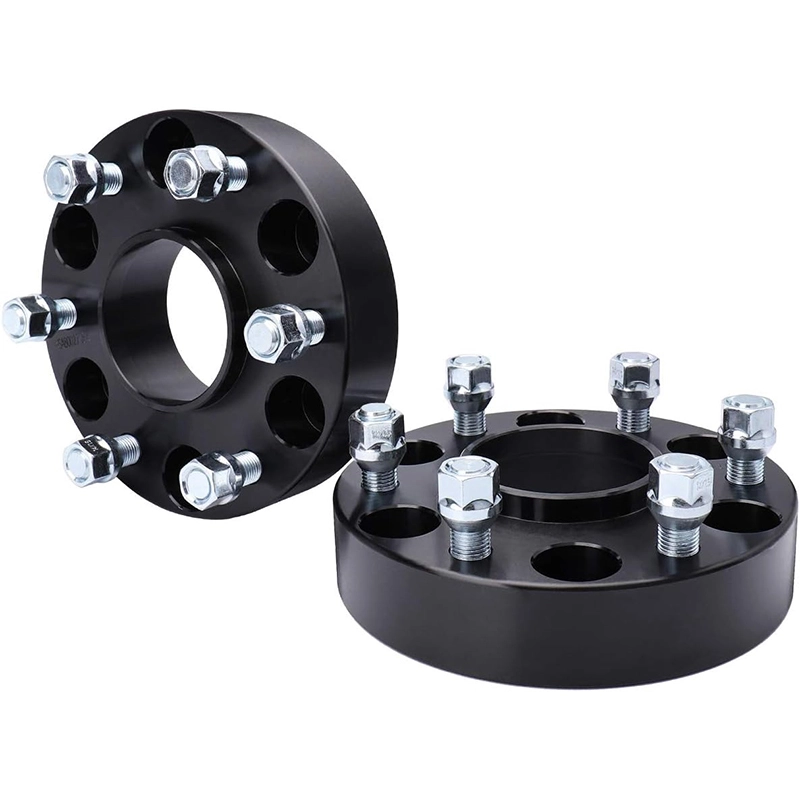
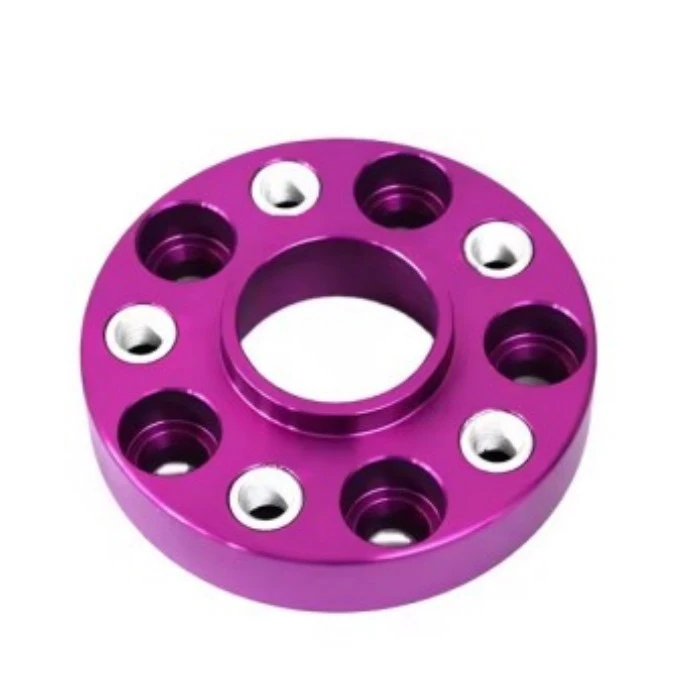
A hub-centric spacer has a machined lip that sits on your vehicle's hub, so the hub centers the wheel and carries the load. A lug-centric spacer skips that lip and leans on the lug hardware to do both. Hub-centric is the safer, smoother setup — but a lug-centric spacer can run fine when it's paired with the right hub rings and torqued properly.
| Feature | Hub-centric spacer | Lug-centric spacer |
|---|---|---|
| Centers the wheel | The hub lip does | The lug nuts do |
| Carries the load | Vehicle hub | Wheel studs |
| Fitment | Machined to one hub bore | Oversized bore, fits many cars |
| Vibration risk | Low | Higher if not centered precisely |
| Best for | Daily driving, highway, towing | Universal / multi-vehicle use with rings |
| The catch | Must match your exact hub | Centering depends on install precision |
Most "my steering shakes after I fitted spacers" complaints trace back to this one distinction — and most buyers never hear it explained properly. So let's do that. We machine both types, so we'll tell you where each one belongs and where it gets people into trouble.
A hub-centric spacer is cut with a center bore and a raised lip that match your vehicle's hub exactly. Slide it on and it seats on the hub first, before the wheel ever goes on. That lip does the centering, and once the wheel drops over it, the whole stack is concentric with the axle — the same principle the factory used when it designed the car.
What does a hub-centric spacer do?
It centers the wheel on the vehicle's hub using a machined lip that matches the hub diameter, then lets the hub carry the load. That keeps the wheel running true, so the studs only clamp — they don't have to locate the wheel or hold its weight.

A lug-centric spacer leaves off that lip. Its center bore is deliberately oversized so one part can fit a whole range of vehicles — handy for a distributor who wants a single SKU that moves, less handy for the guy chasing a wobble. With no lip to locate the wheel, centering falls to the lug nuts. As they tighten, their tapered seats pull the wheel into position. Do it perfectly and it sits true; do it slightly uneven and the wheel ends up a hair off-axis.
Is a lug-centric spacer bad?
Not by itself. A lug-centric spacer is more versatile because its oversized bore fits many vehicles. The trade-off is that the lug nuts have to do the centering, so it's more sensitive to install precision — and more likely to vibrate if the wheel seats even slightly off-center.
Here's the head-to-head. Note the pattern in the last column: on a hub-centric setup the hardware does less work, and hardware that does less work lasts longer.
| Behavior | Hub-centric | Lug-centric | What it means |
|---|---|---|---|
| Wheel centering | Hub lip locates the wheel mechanically | Lug nuts pull the wheel into place | Hub-centric removes install guesswork |
| Load path | Weight carried by the hub | Weight rests on the studs | Hub-centric spares the studs |
| Stud stress | Shear stress designed out | Studs take shear + clamp duty | Fewer stud-fatigue issues over time |
| Vibration at speed | Low, if bore matches the hub | Higher risk of highway shimmy | Rebalancing won't fix a centering error |
| Fitment flexibility | One part per hub size | One part covers many vehicles | Lug-centric wins on inventory only |
This is the part people get wrong. Lug nuts clamp — that's their job. They squeeze the wheel against the hub face with a set tension. They were never meant to locate the wheel side to side.[2] On a proper hub-centric fit, the hub boss does that locating, and it does it the same way every single time you mount the wheel. Take that lip away and you're asking five or six threaded fasteners to agree on where the center is. Usually they get close. "Close" is what you feel in the steering wheel at highway speed.
On a hub-centric setup, the car's weight rides on the hub through that center lip. The studs are left to do one clean job: clamp. On a lug-centric setup, that weight leans on the studs themselves, adding shear load on top of the clamping they already handle. Industry fitment guides put it plainly — a true hub-centric mount lets the hub absorb the vibration and lateral forces that would otherwise be fed straight into your lug studs.[3] Over a few hard-driven years, that's the difference between studs that look new and studs that are quietly working-hardened.
When a spacer that should be hub-centric isn't matching the hub, you get a vibration that shows up around 60–70 mph and shrugs off every rebalance. We've walked plenty of distributors through this over the phone: the tire shop swears the wheels are balanced, and they are — the wheel just isn't centered. Fix the centering and the shimmy leaves. That's why hub bore is the first number we check on any fitment ticket.
Are hub-centric spacers safer than lug-centric?
Yes, in general. Hub-centric spacers let the hub carry the load and center the wheel, which lowers stud stress and vibration — the reason OEM engineers and race teams default to hub-centric. A lug-centric spacer can still be safe, but only with matched hub rings and careful, checked torque.
We won't pretend lug-centric parts are death traps — plenty of people run them for years without drama. But if you line the two up on an engineering bench, hub-centric wins on the things that matter for safety: the load goes where the car was designed to carry it, the wheel centers itself the same way every time, and the studs aren't asked to moonlight as locating pins. When failure does happen on a lug-centric setup, it usually starts with a centering error nobody caught, which turns into vibration, which loosens hardware over time. The chain is avoidable. It just needs the right part and an honest install. Centering is only one of the four things that decide whether wheel spacers are safe — material, thread engagement, and torque fill out the rest.
Here's the nuance most comparison pages skip. Lug-centric isn't automatically wrong — sometimes it's the only practical option. Off-road and universal wheels often ship with oversized bores on purpose, so one design bolts up across a fleet of trucks.[1] That makes them lug-centric by default, and they can run safely when they're fitted with care.
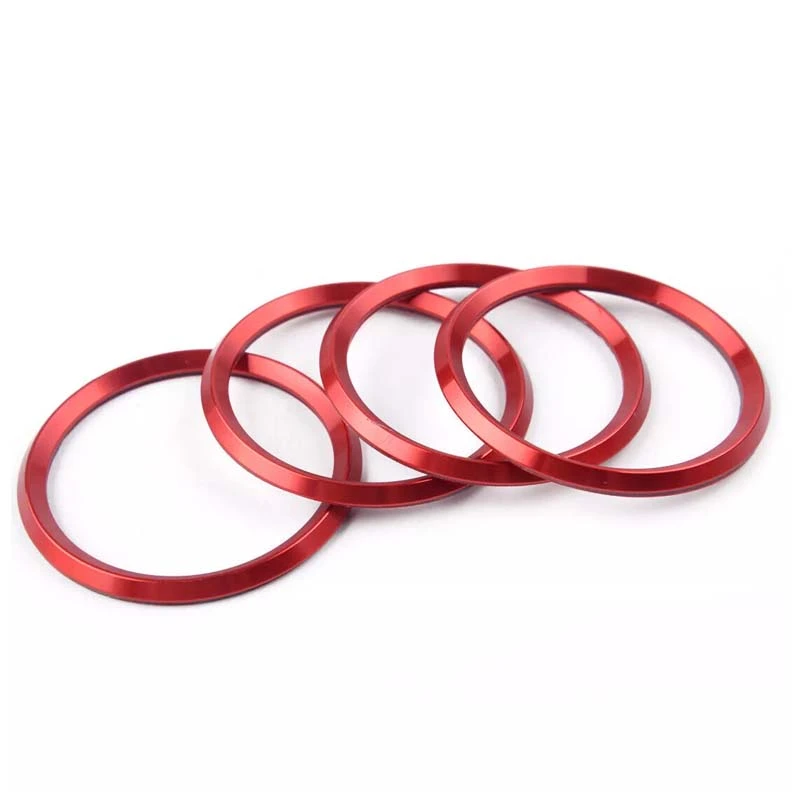
The fix, when you need it, is a hub-centric ring. It's a precision collar that fills the gap between the wheel's oversized bore and your smaller hub, handing the centering job back to the hub where it belongs. Match the ring to your exact hub — a Honda Civic Si hub runs about 64.1 mm, a BMW 3 Series (E90/F30) about 72.6 mm — and a lug-centric wheel behaves like a hub-centric one.[2] For most buyers, though, our advice is simpler: order a hub-centric spacer cut for your car in the first place and skip the extra part.
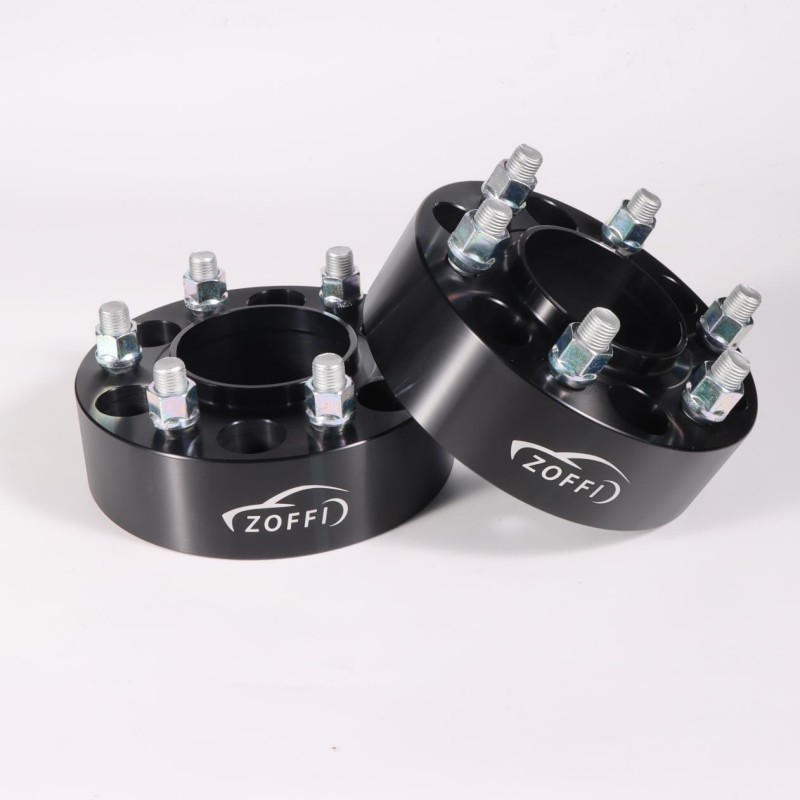
Run down this list before you order. It takes the guesswork out for a distributor stocking parts or a workshop fitting them:
A hub-centric spacer has a lip machined to your hub, so the hub centers the wheel and carries the load. A lug-centric spacer has an oversized bore with no lip, so the lug nuts center the wheel instead. The first is more precise; the second is more universal.
They can. Because the lug nuts do the centering, even a small tightening difference can leave the wheel slightly off-axis, which shows up as a shimmy around highway speed. Matched hub rings and careful, even torque bring a lug-centric setup back in line.
Effectively, yes. A hub-centric ring fills the gap between the oversized bore and your hub, so the hub takes over centering. Size the ring to your exact hub diameter and a lug-centric part performs much like a purpose-made hub-centric one.
For daily driving, highway miles, and towing, yes. Hub-centric fitment keeps the wheel true and takes shear load off the studs, which is why OEM and race applications use it. The main cost is that each part is cut for one hub size rather than fitting everything.
Most often it's centering, not balance. If the spacer doesn't seat the wheel on the hub, the wheel runs slightly off-center and no amount of rebalancing fixes it. Check that the spacer's bore matches your hub, and that the mating faces were clean at install.
Both, for different buyers. Hub-centric spacers, cut per platform, are the safe recommendation for vehicle-specific sales. A universal lug-centric line plus a range of hub rings covers shoppers who want one part across several cars. We supply both under OEM/ODM.
The bottom line
Hub-centric puts the load and the centering on the hub, where the car was built to take them — cleaner, quieter, easier on the studs. Lug-centric earns its place on universal fitments, as long as hub rings and torque are done right. We forge and machine both, per platform, under IATF 16949.
This guide is general information. Hub bore, bolt pattern, thread pitch, and torque must be confirmed for your specific vehicle and hardware before driving. When in doubt, check the vehicle's service manual or a qualified wheel shop.