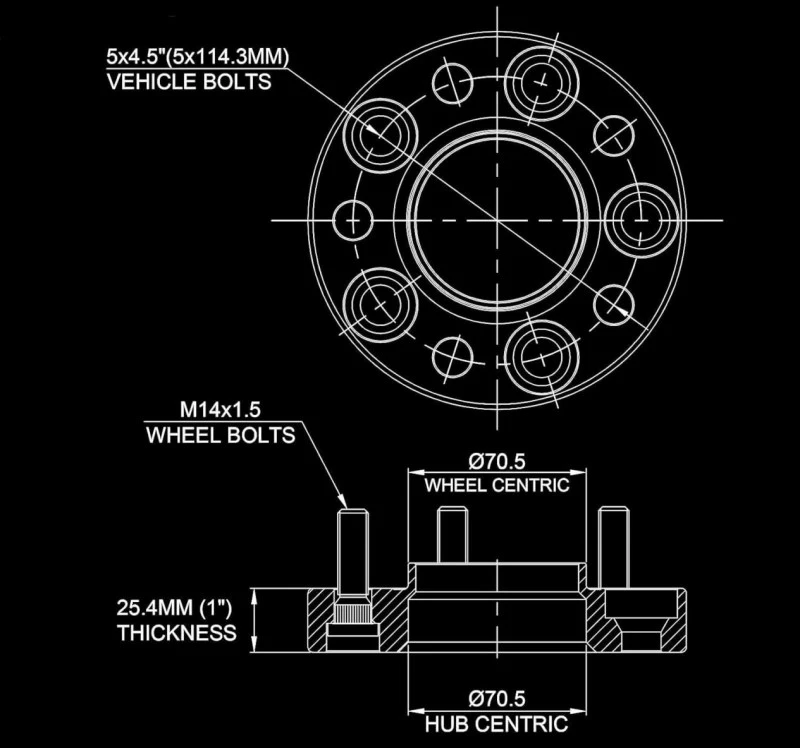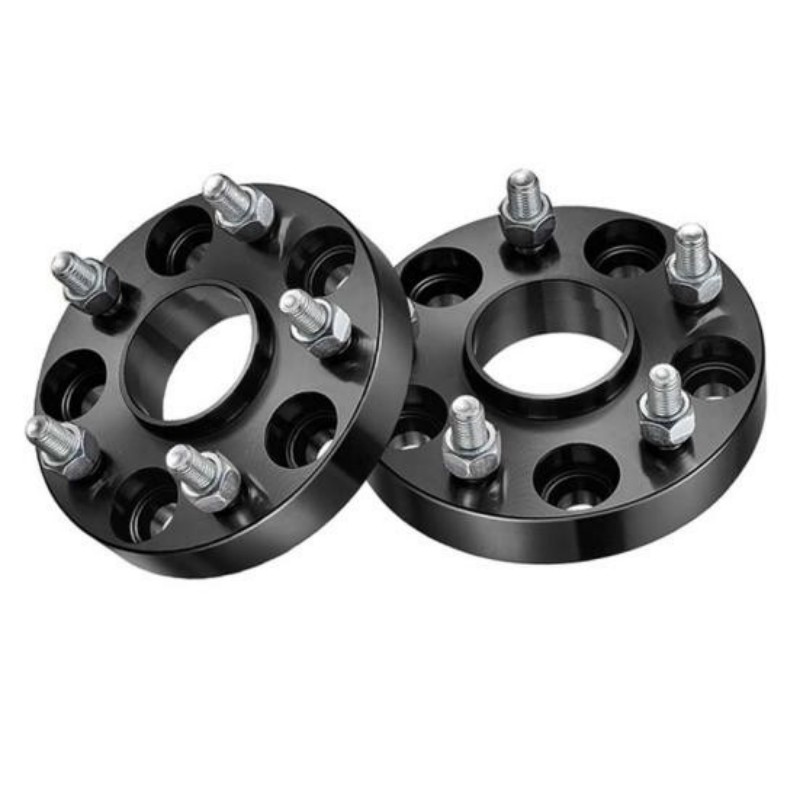
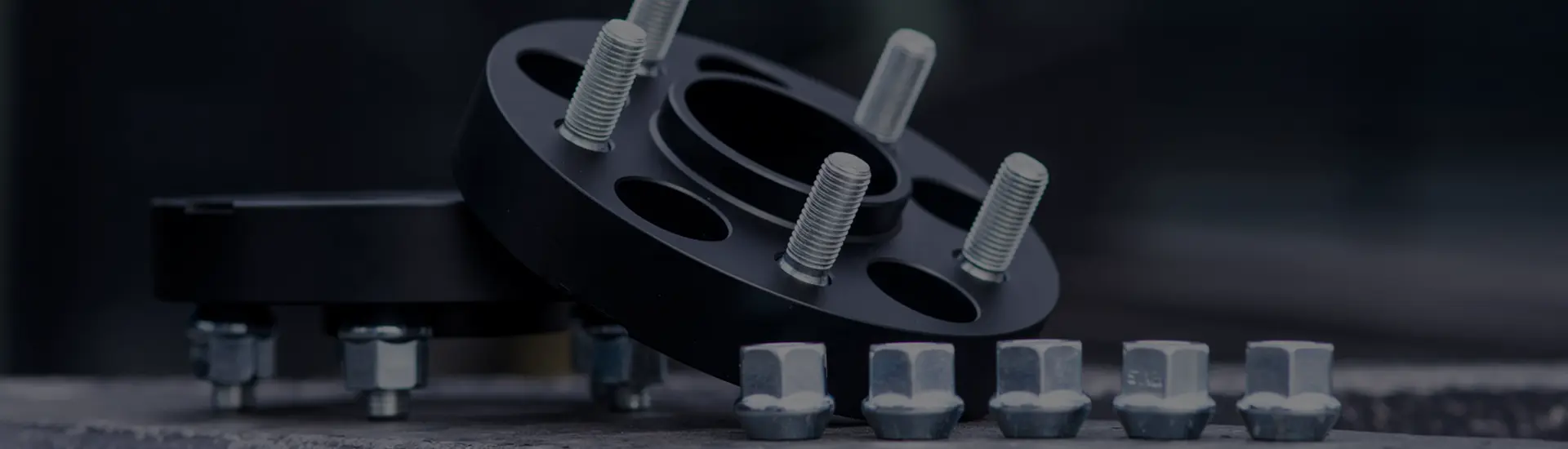
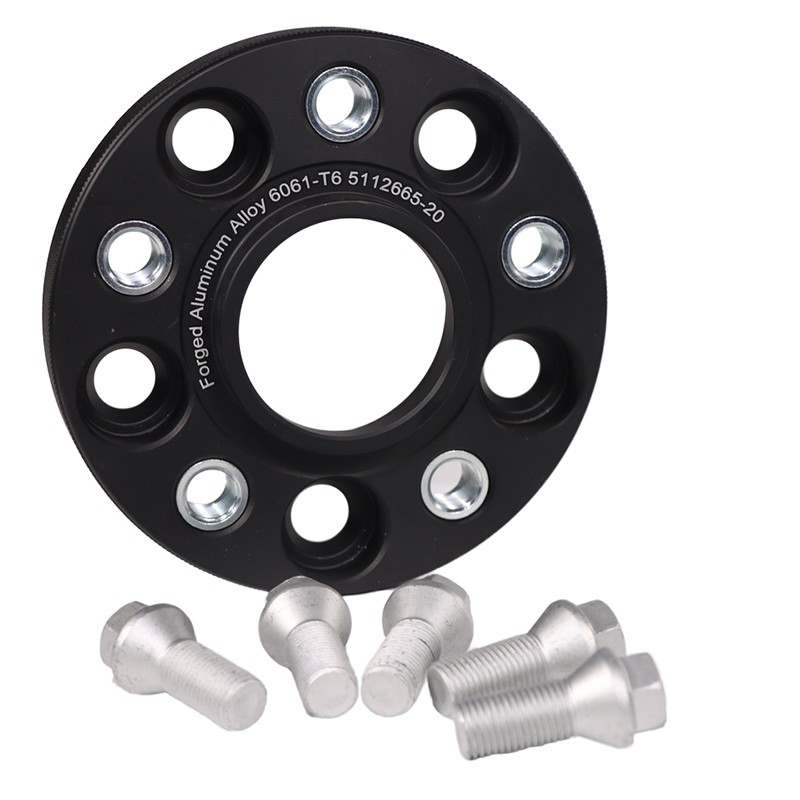
Choose a slip-on spacer when the approved application uses the original hub interface with longer bolts or studs. Choose a bolt-on spacer when the part fastens to the hub first and provides new studs or threaded holes for the wheel. Thickness, hub fit, hardware and wheel back-pad clearance must all support that choice.
Measure outside clearance with a straightedge, then verify the inside and the mounting interfaces. Record the wheel and tire, PCD, vehicle hub, wheel center bore, offset, hardware and available wheel-pocket depth. Select a thickness below the static outer gap and confirm the complete assembly on the vehicle.
The correct wheel spacer matches five things: bolt pattern (PCD), vehicle hub diameter, wheel center bore, the thickness needed after measuring clearance, and hardware geometry. Check them in that order. A spacer that matches only “5-lug” or only the vehicle model is not enough to confirm fitment.
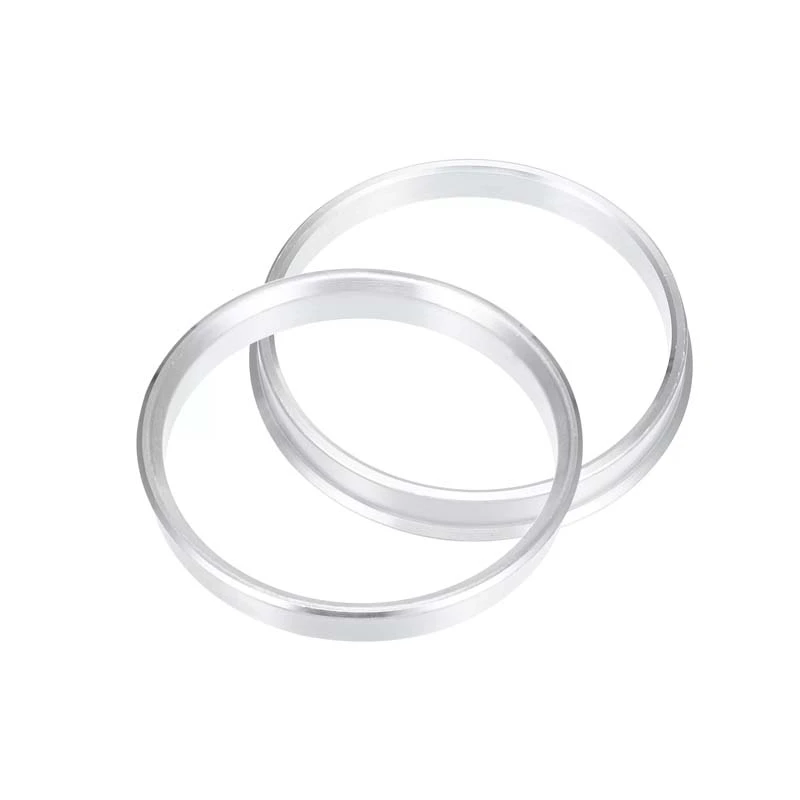
A Hub Center Ring is a small but important automotive component designed to solve one of the most common problems when installing aftermarket wheels: the difference between the vehicle hub diameter and the wheel center bore size. By filling this gap, a properly sized hub center ring helps achieve accurate wheel positioning, reduces unwanted movement, and improves driving comfort. This article explains how hub center rings work, why they matter, how to select the correct size, and how J&W Auto Parts provides reliable solutions for drivers, distributors, and automotive professionals.
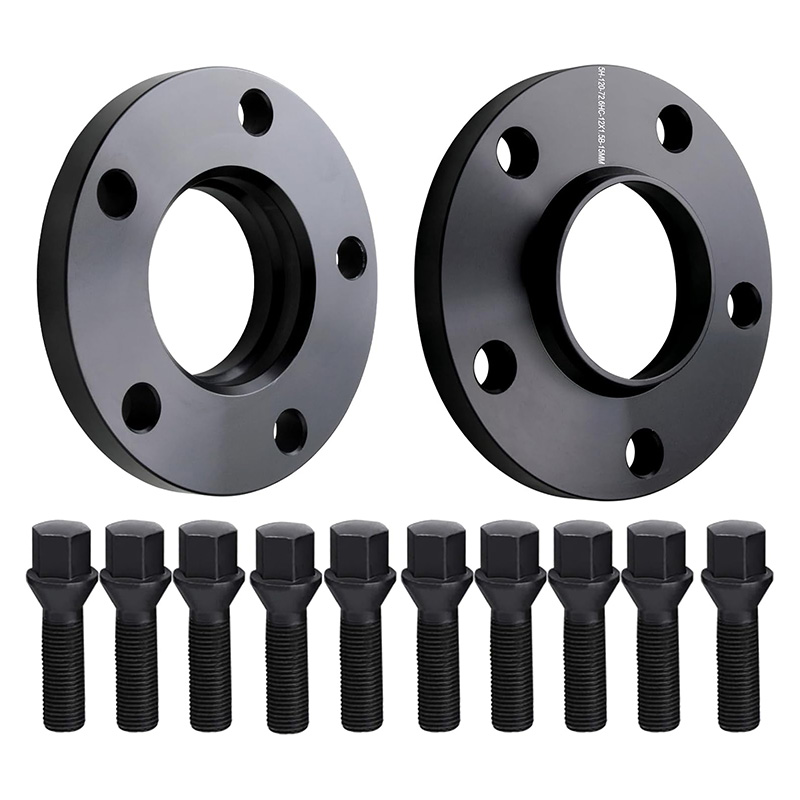
BMW owners often look for ways to improve their vehicle’s appearance, handling performance, and wheel compatibility. However, installing aftermarket wheels can create challenges such as incorrect offset, limited brake clearance, uneven wheel positioning, or poor fitment. BMW Wheel Spacers Adapter solutions provide an effective way to solve these problems by creating additional space between the wheel hub and the wheel assembly while maintaining proper installation standards.
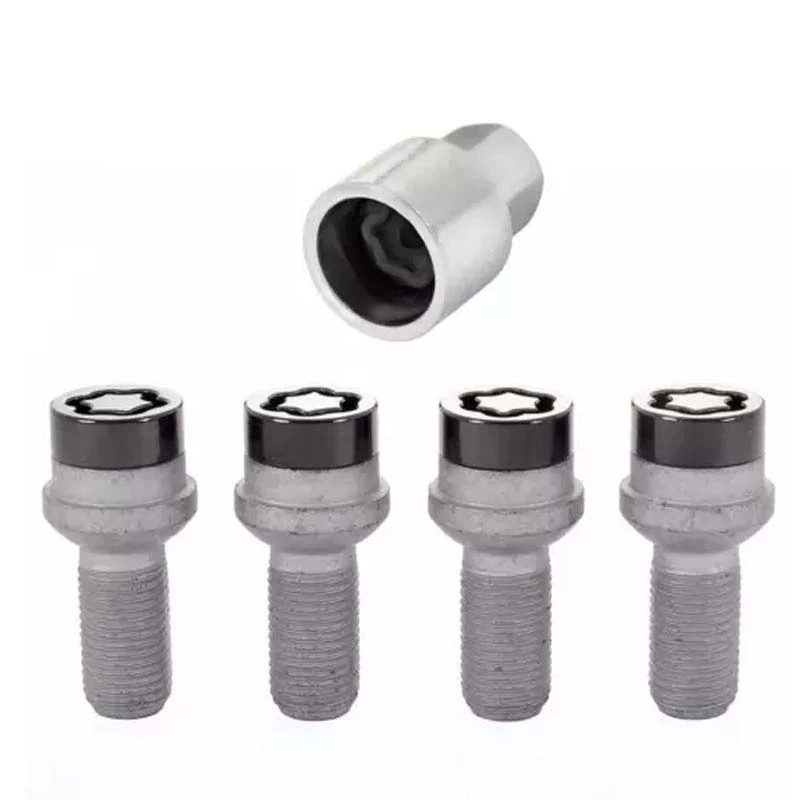
Wheel Lug Bolts are small but critical components that directly influence wheel installation safety, driving stability, and vehicle performance. Although they are often overlooked during vehicle maintenance, choosing the correct wheel lug bolt with suitable thread specifications, seat design, material strength, and surface protection can prevent dangerous wheel-related problems. This article explains how wheel lug bolts work, why they matter, how to select the right type, and how professional manufacturers such as J&W Auto Parts provide reliable fastening solutions for automotive applications.
We use cookies to offer you a better browsing experience, analyze site traffic and personalize content. By using this site, you agree to our use of cookies. Privacy Policy