Under four conditions, a wheel spacer does not directly change static toe, camber or caster: the same wheel and tire remain fitted, the spacer seats flat, ride height is unchanged, and no suspension or steering parts were adjusted. It still changes effective offset and track width. On the front axle, it also moves the tire contact patch relative to the steering axis, so steering feel can change without the alignment angles changing.
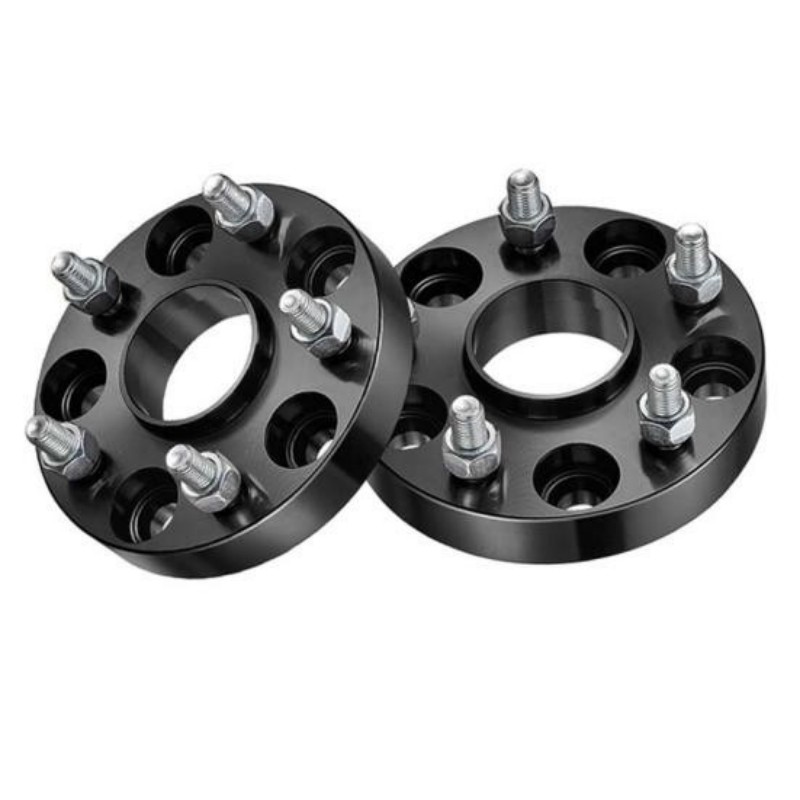
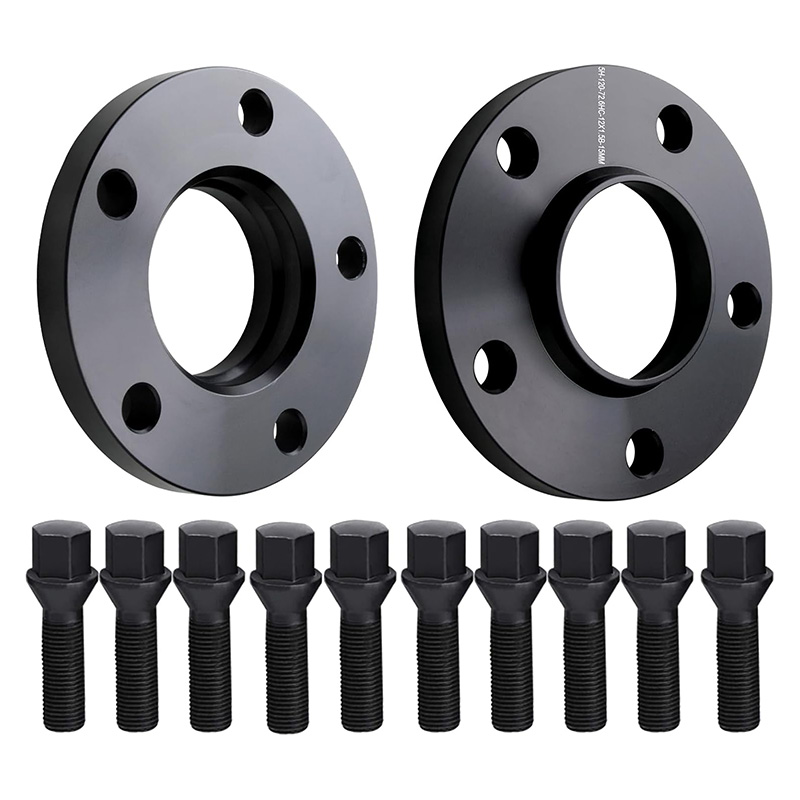
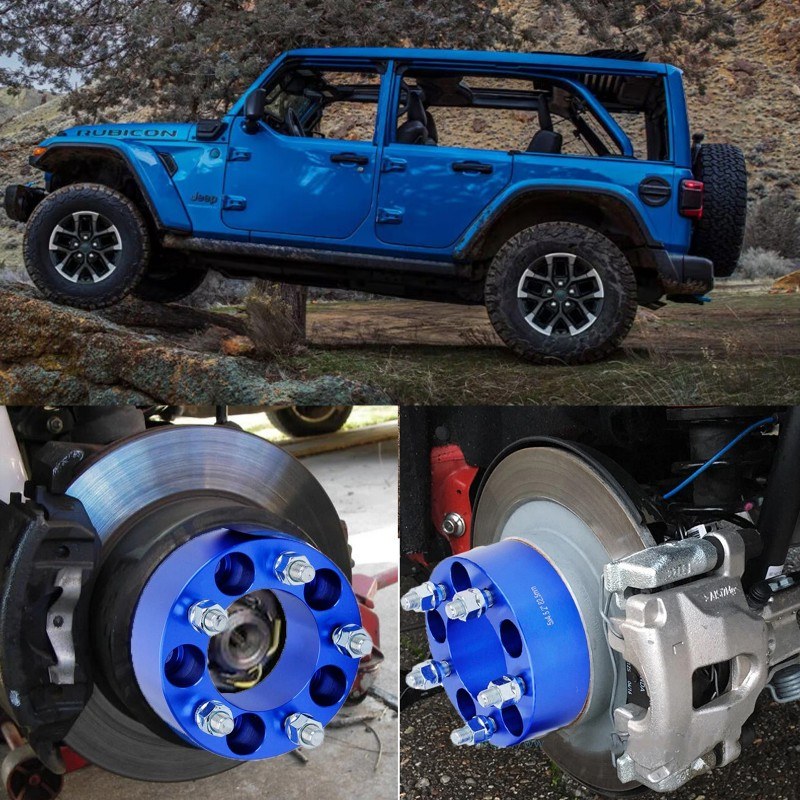
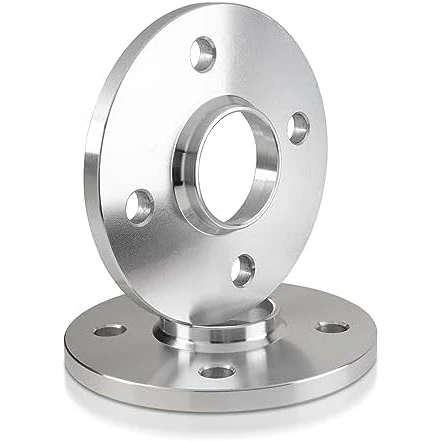
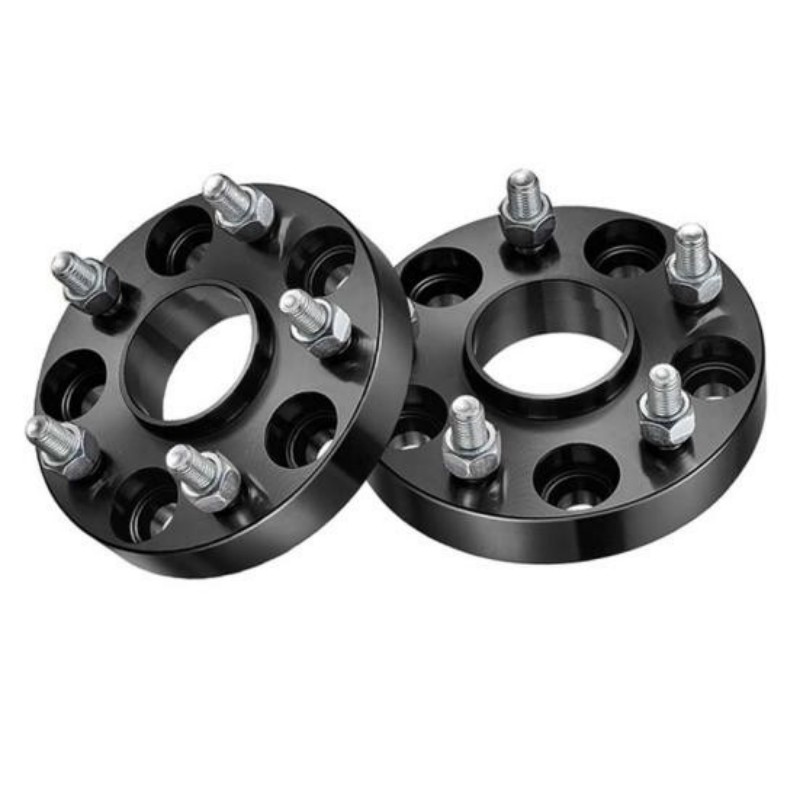
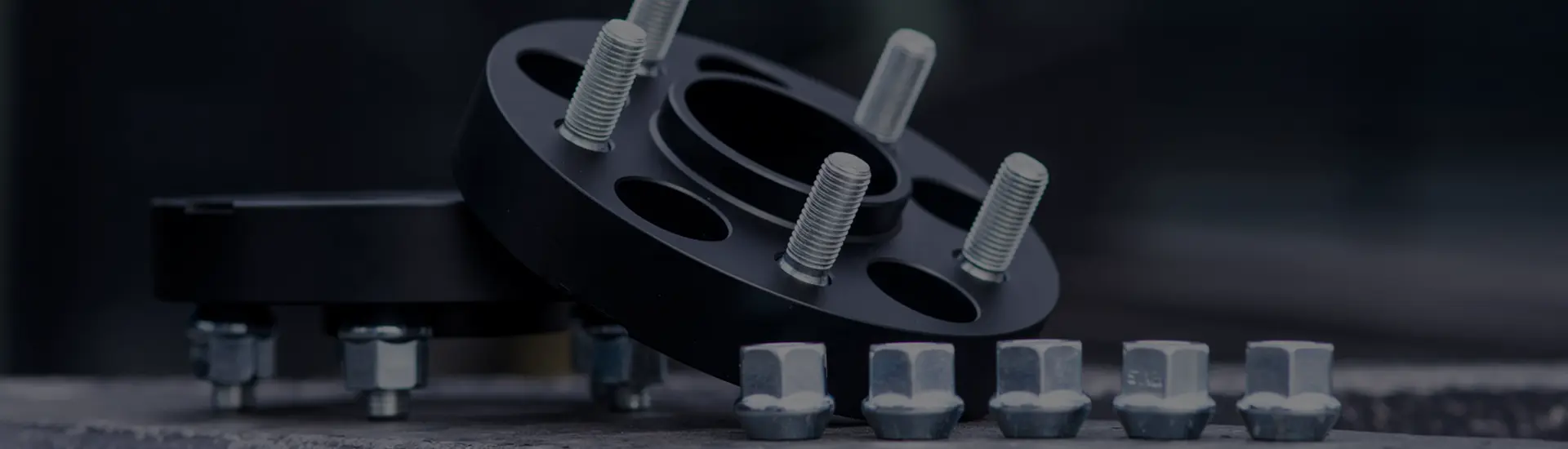
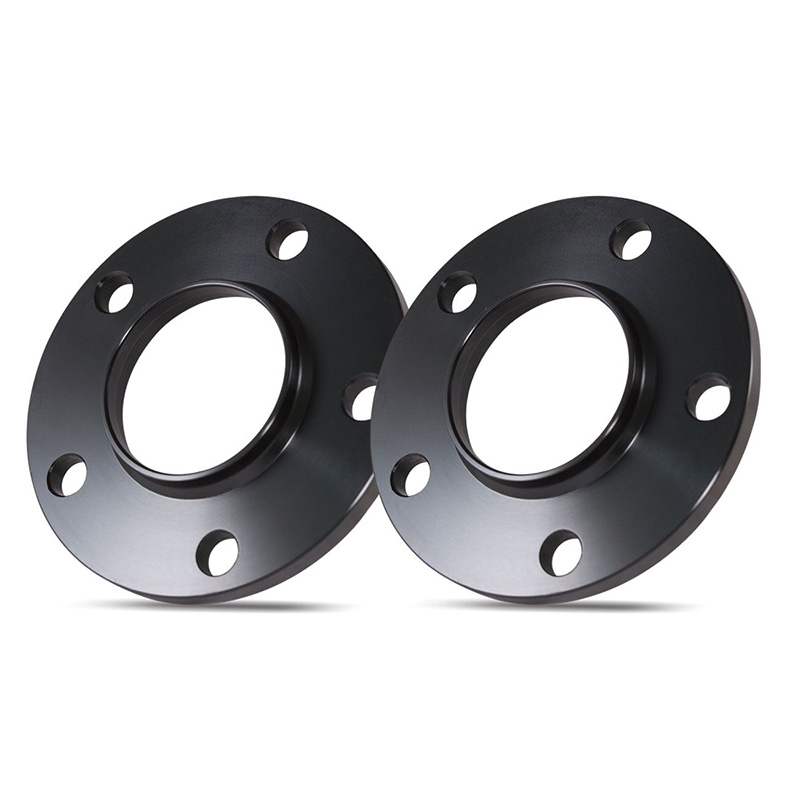
A wheel spacer is a component installed between a vehicle hub and wheel. Its thickness moves the wheel outward. Depending on the design, the wheel may continue to use longer original-style fasteners, or the spacer may attach to the hub and provide a second set of studs or threads for the wheel.
Yes, a front wheel spacer changes scrub radius in a static front-view model. It moves the wheel and tire outward while the suspension's steering-axis hard points stay in place. The signed scrub radius therefore shifts outward by approximately the spacer thickness when the wheel, tire, ride height and alignment geometry remain otherwise unchanged.
Yes, wheel spacers can affect the load applied to a wheel bearing because they move the wheel and tire farther from the bearing center. A thicker spacer creates a longer lever arm for the same tire force. That is a real mechanical change. It is not proof that every spacer will cause premature failure, and it is not enough information to calculate how long a particular bearing will last.
Vibration after fitting wheel spacers is a fault signal, not a normal break-in effect. If the vehicle was smooth before the work, begin with what changed: the hub-to-spacer face, spacer-to-wheel face, centering geometry, fasteners and clearances. If those pass inspection, move outward to the wheel, tire and vehicle.
To buy wheel spacers in bulk, send one specification sheet per fitment. Include PCD, vehicle hub diameter, wheel center bore, thickness, fastening system, thread and seat details, finish, branding, packaging and forecast quantity. Request a drawing and sample approval before the production lot, then put the accepted dimensions, inspection records and packing standard into the purchase order.
We use cookies to offer you a better browsing experience, analyze site traffic and personalize content. By using this site, you agree to our use of cookies. Privacy Policy