We are glad to share with you about the results of our work, company news, and give you timely developments and personnel appointment and removal conditions.
Yes, wheel spacers can cause tire rubbing if the outward shift uses up fender, liner or body clearance. They can also cure rubbing against an inner suspension component. Spacer thickness changes the tire's position, but the contact zone tells you whether moving outward helps or hurts.
Do not stack independently selected wheel spacers to make up a thickness. Choose one application-approved spacer per wheel position with the correct hardware. A manufacturer-designed multi-piece system must be used only as documented; its existence does not make a homemade combination acceptable.
A 15 mm spacer on an ET45 wheel gives an effective offset of about ET30. A same-width ET30 wheel can occupy the same nominal lateral position. It does not follow that the wheel spokes, barrel, hub interface, fasteners, mass or approved application are equivalent.
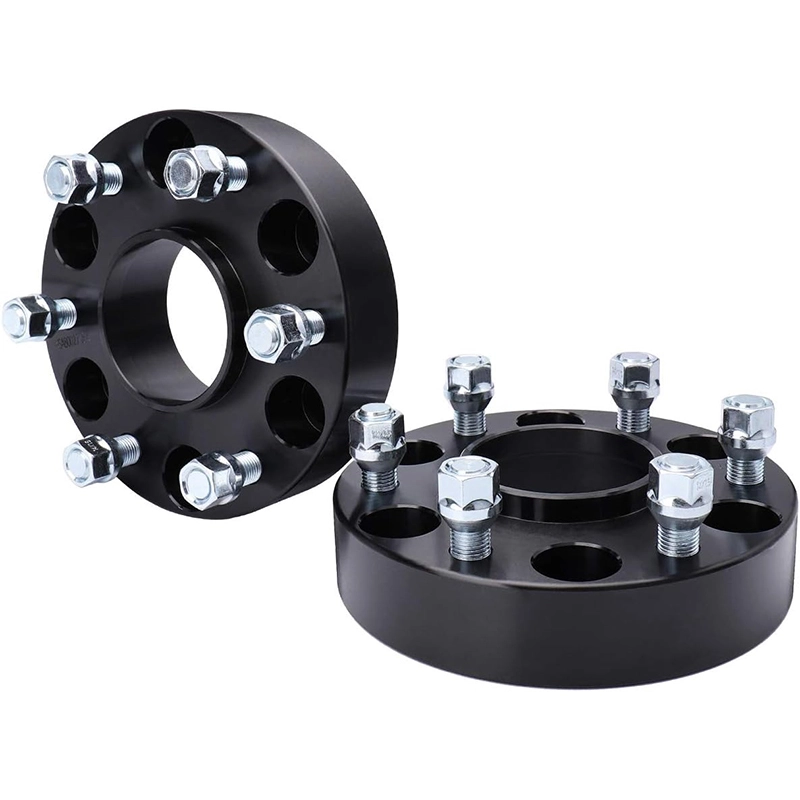
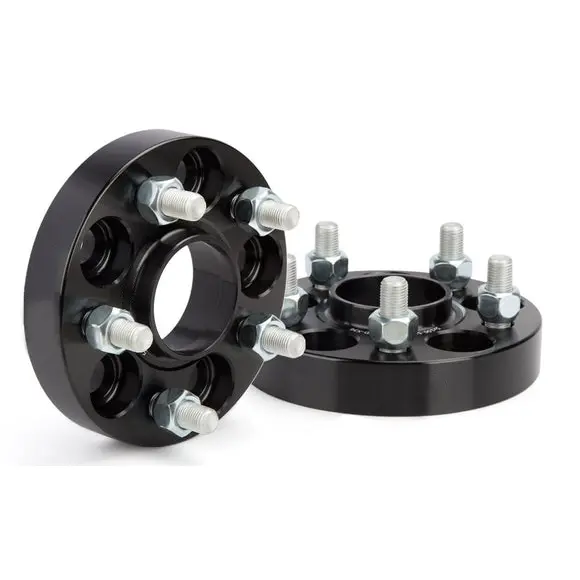
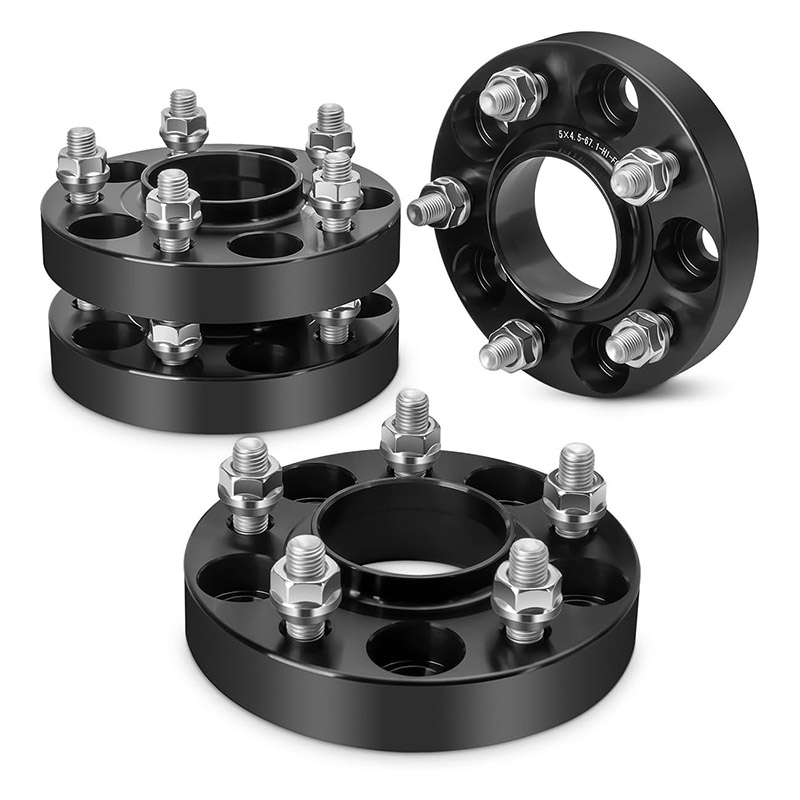
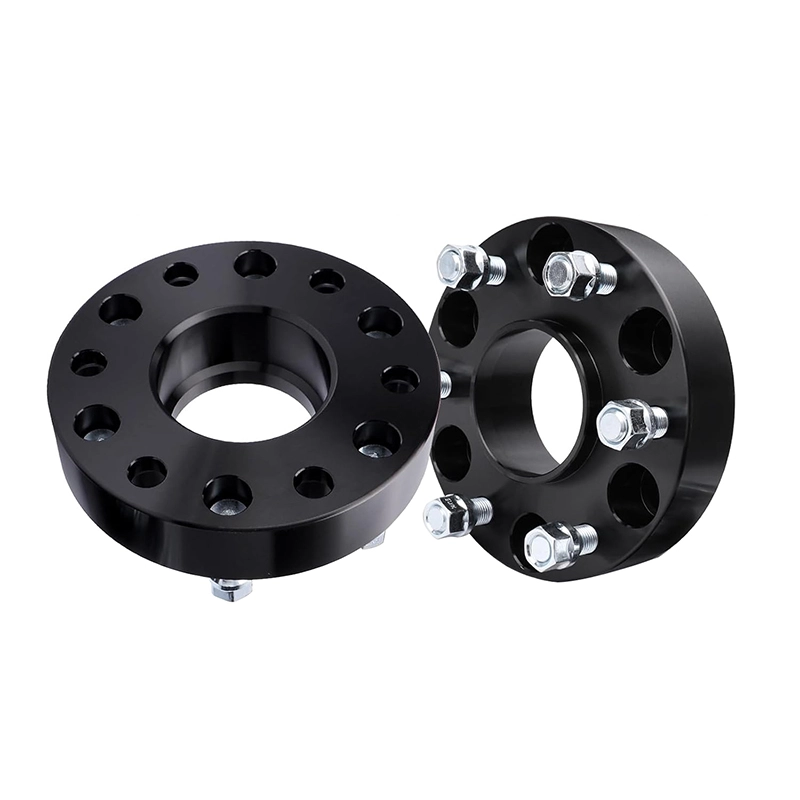
A hub-centric spacer uses matched center-pilot geometry to locate the assembly. A lug-centric arrangement relies on the wheel fastener seats to bring the assembly onto center during tightening. Hub-centric is usually easier to install repeatably, but the word on a listing proves nothing unless both sides of the spacer match the actual hub and wheel.
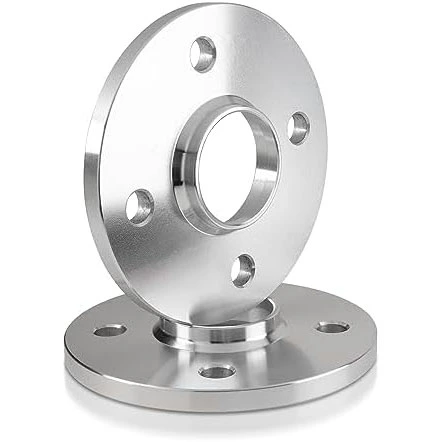
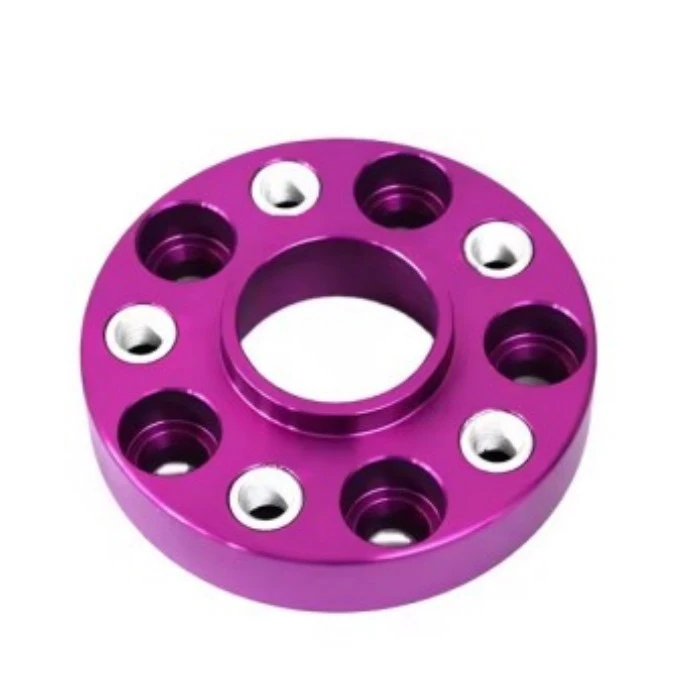
There is no universal wheel spacer torque spec. For a slip-on spacer, find the specified torque for the wheel fasteners used through that spacer. For a bolt-on spacer, verify two joints separately: spacer to hub, then wheel to spacer. If the documents conflict or do not cover the exact parts, stop and resolve the conflict before installation.
A spacer can move the wheel spokes away from a caliper. That does not mean it can cure every wheel-to-brake interference. First identify where the contact occurs.
We use cookies to offer you a better browsing experience, analyze site traffic and personalize content. By using this site, you agree to our use of cookies. Privacy Policy