Email
WhatsApp
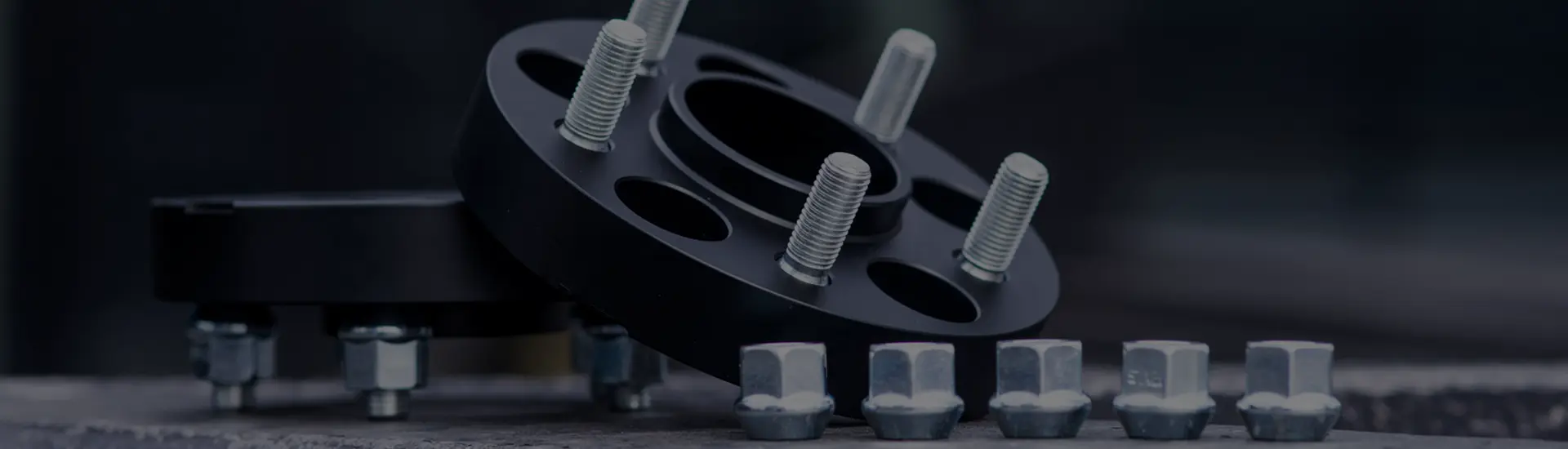

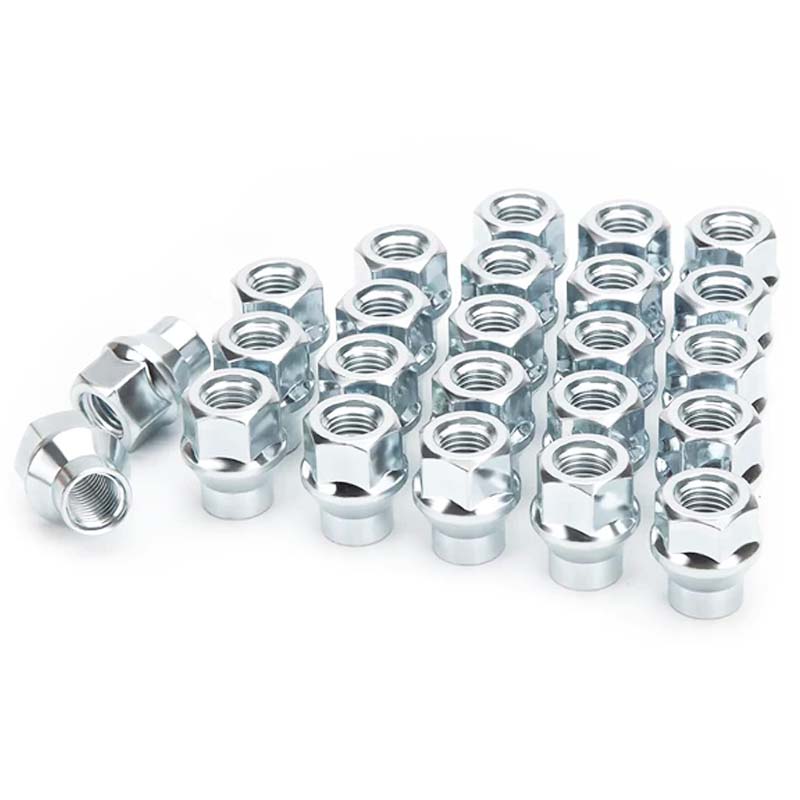
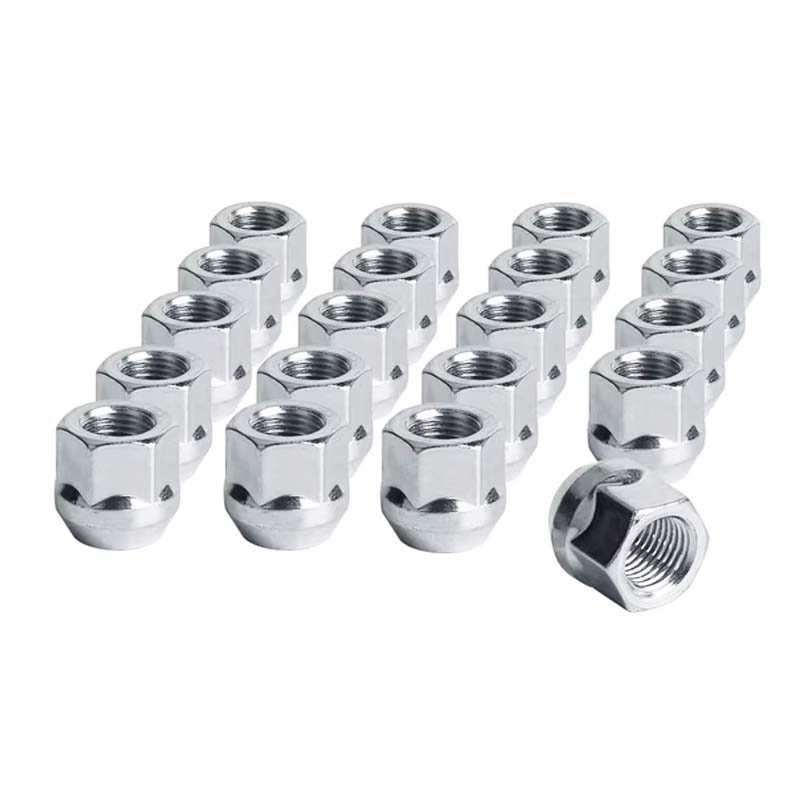
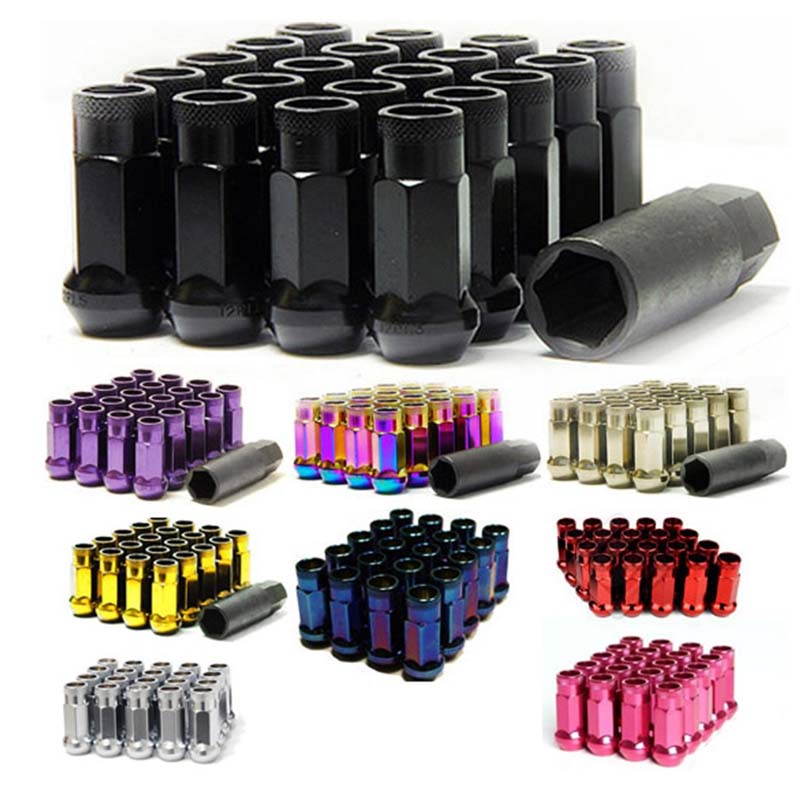
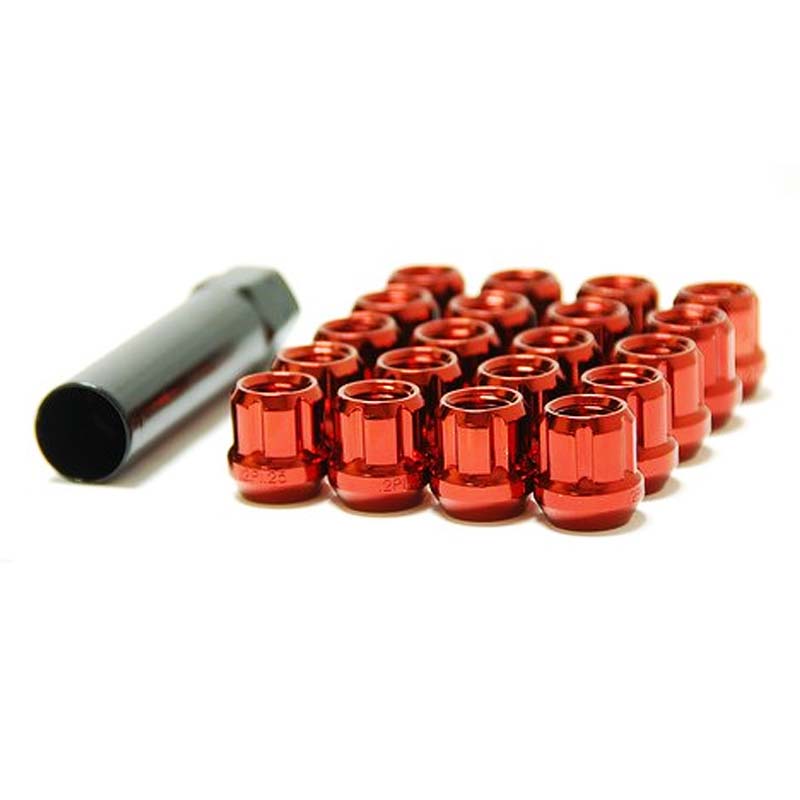
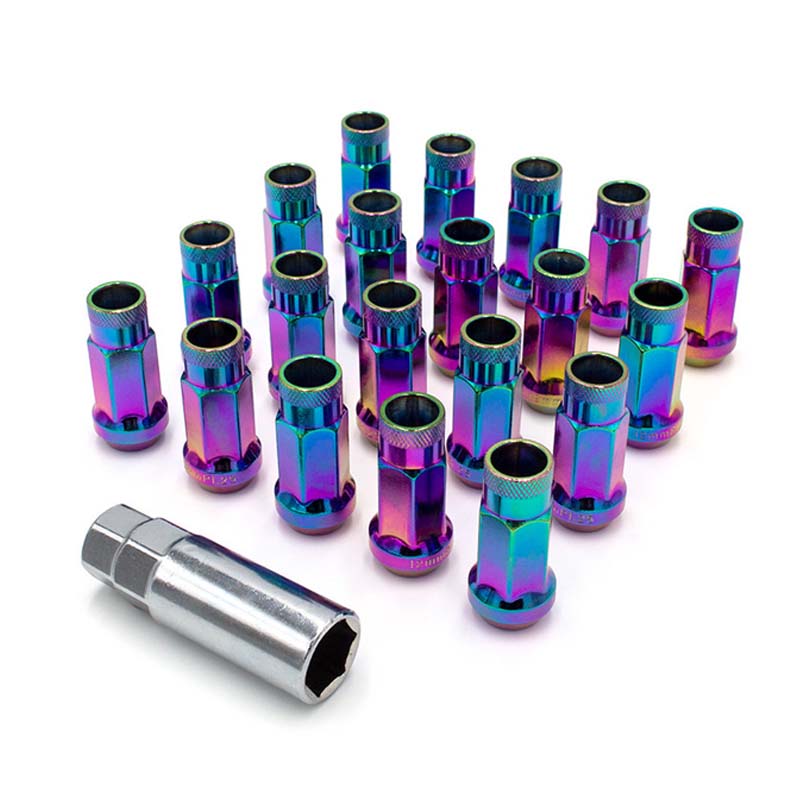
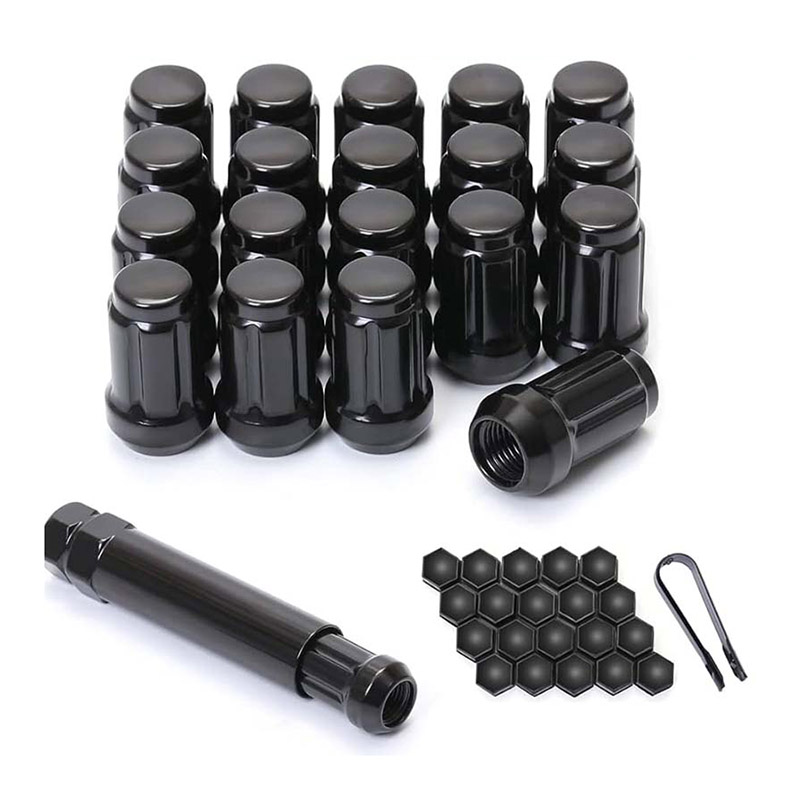
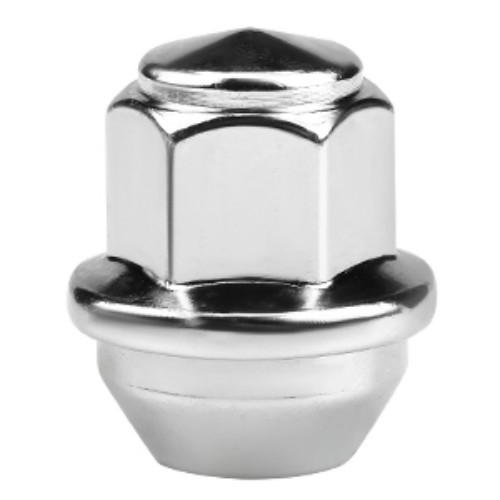
M12x1.5 Open End Wheel Lug Nuts solve a common fitment problem on track cars and high-performance vehicles: a closed-end nut can contact an extended stud before its seat clamps the wheel. The open end lets the stud pass through the nut body. Combined with a precision 60-degree conical seat and the correct thread engagement, these lug nuts provide secure wheel fastening during acceleration, braking, and cornering. The wheel seat, stud dimensions, and tightening procedure must match the assembly.
|
Item |
Value |
|
Product Name |
M12x1.5 Open End Wheel Lug Nuts |
|
Brand Identity |
J&W Auto Parts |
|
Thread Size |
M12 x 1.5 |
|
Material Options |
50BV30 Alloy Steel / SCM435 Chromoly Steel |
|
Type |
Open End (Through-Hole Design) |
|
Hex Size |
17mm or 19mm hex size available |
|
Total Length |
35 mm |
|
Internal Threaded Length |
28 mm nominal; actual engagement depends on the assembly |
|
Hardness Range |
33–38 HRC; acceptance per approved material specification |
|
Mechanical Requirements |
Nut proof load and hardness per approved drawing |
|
Surface Finish Tech |
Black Chrome / Zinc Plating / Electrophoresis |
|
Seating Type |
60 Degree Conical (Taper) Seat |
|
Operating Temperature |
-40°C ~ +120°C |
|
Salt Spray Test |
72-hour test; method and acceptance criteria per report |
|
HS Code |
7318160000 |
|
Sample |
Free Samples Available (Shipping Excluded) |
|
Lead Time |
Stock: within 7 business days; custom: typically 30–40 days |
|
Monthly Capacity |
Up to 200,000 pieces/month |
|
Payment Terms |
T/T (30% deposit, 70% before shipment) |
|
Port |
Ningbo |
The 35mm overall length and 28mm nominal internal threaded length describe the nut, not guaranteed stud contact. Select the 17mm or 19mm hex version explicitly. Mechanical requirements for a nut should be specified by its applicable proof-load and hardness criteria; bolt property classes such as 10.9 and 12.9 are not nut tensile-strength values.
Our open-end configuration allows extended racing studs to pass through the nut body, removing the closed-cap bottoming limit. It is useful for compatible extended-stud setups, but does not add thread engagement when the stud is too short or compensate for an incompatible wheel seat.
Manufactured from 50BV30 or SCM435 alloy steel, these fasteners undergo controlled heat treatment to achieve the specified 33–38 HRC hardness. Material selection, heat treatment, thread geometry, and mechanical inspection work together to support reliable fastening under the specified service loads.
Controlled internal thread processing produces the M12x1.5 profile for smooth engagement with the matching stud. Thread plug gauges check conformity to the specified tolerance. Consistent clamping also depends on coating friction, seat contact, and the correct installation torque.
The through-hole design lets technicians see whether a stud reaches or protrudes beyond the nut opening. This is a useful installation check, but the visible tip alone does not establish the length of fully engaged threads or confirm the final clamping force.
Closed-end nuts have a cap that can contact an extended stud before the nut seat clamps the wheel. The installer may reach the specified wrench torque while the wheel remains loose. Correctly selected closed-end nuts avoid this problem by providing sufficient internal clearance.
Our open-end design removes that cap clearance limit and makes stud protrusion visible. Select it when the wheel, stud, and available tool clearance suit the application. Confirm actual thread engagement and seat contact during sample fitting, including any spacer or adapter in the approved assembly.
· Selected 50BV30 & SCM435 Alloys: We use alloy steel wire rods with composition and dimensions checked before production. Controlled heat treatment targets the specified 33–38 HRC hardness. Approve the material grade and mechanical acceptance criteria for the selected version.
· Surface Finish Options: Black chrome, zinc plating, and electrophoresis use different coating systems. Specify the selected finish and its process requirements separately. The 72-hour salt spray result should be assessed with the test method, coating identification, and acceptance criteria in the report; it does not directly predict outdoor service life.
· Manufacturing Experience: We have produced wheel fasteners and accessories for international customers for many years. Controlled steel composition, traceable material batches, heat treatment, and coating consistency support repeatable quality across bulk orders.
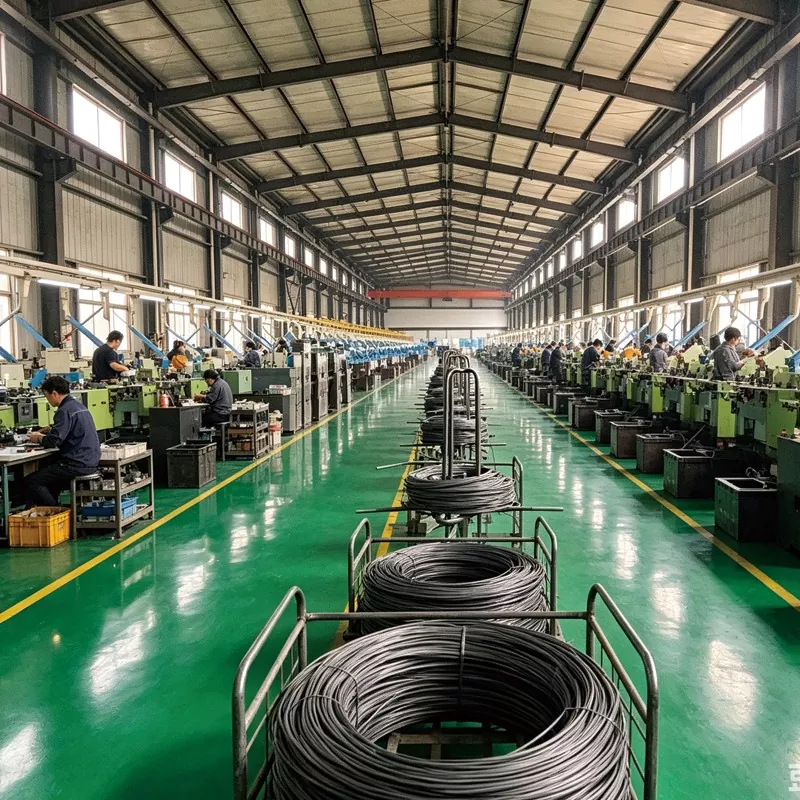
Our workshop operates under strict 5S management. Here is how your order moves through our factory floors:
Raw Material Inspection → Cold Heading → Precision Machining & Internal Thread Processing
Heat Treatment → Surface Finishing → Final Inspection & Batch Tests → Packaging & Shipment
1. Raw Material Inspection: We test incoming wire rods for composition and diameter tolerances.
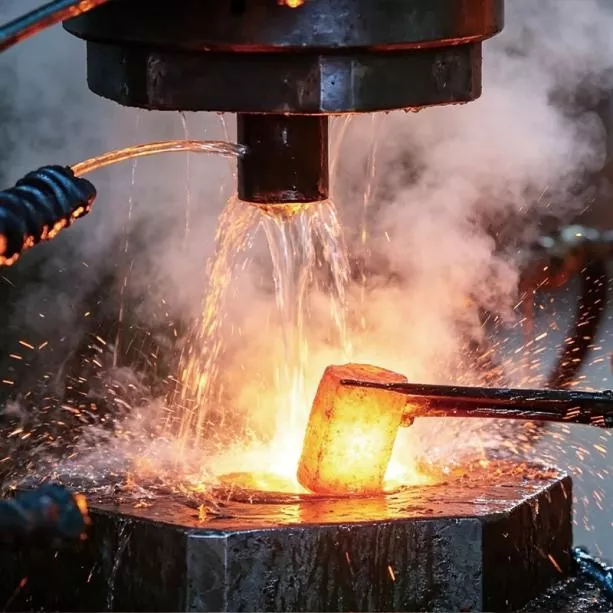
2. Cold Heading Forging: Machinery forms the nut blanks through controlled deformation, preparing consistent geometry for subsequent machining and heat treatment.
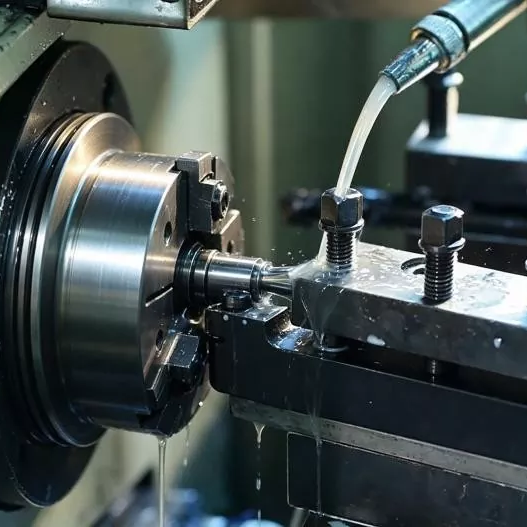
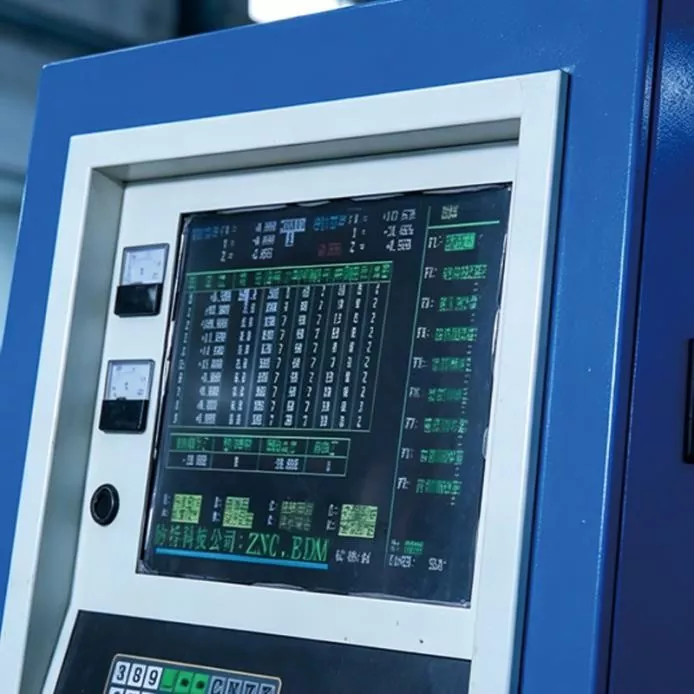
3. CNC Precision Machining: Machining centers produce the specified conical seat and through-hole geometry. The internal M12x1.5 thread is processed and inspected to the approved specification.
4. Surface Finishing: Parts receive the selected black chrome, zinc, or electrophoresis finish using the corresponding process. Finished thread fit and seating surfaces are included in final inspection.
5. Thread Inspection: Workers check internal threads with the specified GO/NO-GO plug gauges. Nonconforming parts or batches are held for review before shipment.
6. Salt Spray Testing: Finished samples undergo 72-hour corrosion chamber testing.
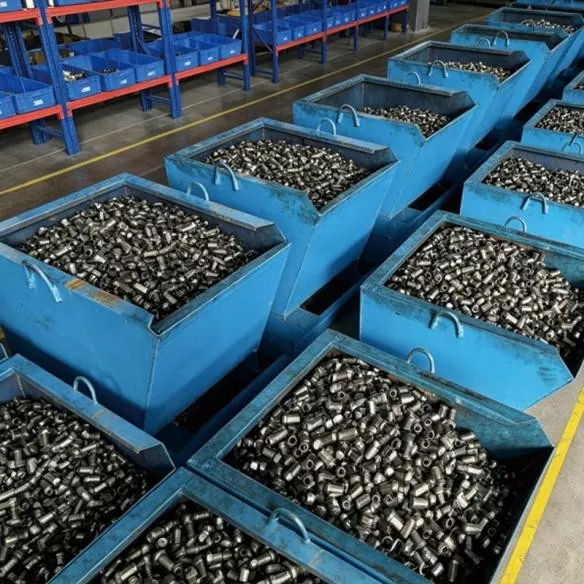
7. Packaging & Shipment: Approved components are packed into master cartons, placed on pallets, and wrapped with stretch film for sea transport from the port.
|
Engineering Factor |
J&W Open-End Nut |
Standard Closed-End Nut |
|
Stud Length Fit |
Stud can protrude through the opening |
Stud must clear the internal cap |
|
Engagement Verification |
Stud protrusion visible; engagement still checked |
Internal clearance checked by measurement |
|
Stud Tip Protection |
Tip remains exposed for inspection |
Cap covers the tip |
|
Socket Clearance |
Check socket depth over protruding stud |
Check socket fit over nut body |
|
Spacer Fitment |
Verify remaining thread engagement |
Verify engagement and cap clearance |
|
Service Inspection |
Inspect exposed threads during service |
Inspect hidden threads when removed |
Our M12x1.5 Open End Wheel Lug Nuts are widely used in performance tuning, motorsport, and automotive aftermarket applications:
· Performance Tuning Shops: Suitable for compatible aftermarket wheels and extended-stud assemblies after fitment verification.
· Motorsport & Track Teams: Provides rapid thread verification during fast-paced tire service.
· Automotive Aftermarket Wholesalers: Supplies standard inventory for passenger car brands requiring highly reliable thread patterns.
· Specialty Vehicle Builders: Secures custom vehicle configurations, lightweight track day cars, and specialized sports roadsters.
We help distributors, wholesalers, and private brands create customized retail or commercial product lines:
Production Drawing Confirmation ➔ Sample Approval ➔ Mass Production
· Production Drawing Confirmation: Our engineering team generates detailed 2D/3D blueprints based on your wheel layout before production.
· Sample Approval: We make physical pre-production samples for fitment and finish validation. Check the intended wheel, stud, socket, and any approved spacer as an assembly before approving the sample.
· Mass Production: Once you sign off on the sample, our production facility lines deliver a matching batch.
For a comparable factory quote, send the wheel seat drawing or reference, stud thread, required overall length, internal threaded length, hex size, material option, finish, quantity, and packaging. Identify the drawing revision and inspection criteria so repeat orders refer to the same specification.
· Custom Finishes: Available in black chrome, zinc plating, gold zinc, or custom laser engraving of corporate brand names on hex flat sides.
|
Package Level |
Quantity |
Specification / Details |
|
Poly Bag |
20 pcs |
Heavy-duty clear bag with custom label |
|
Inner Box |
20 /24/32pcs |
Protective white or branded interior box |
|
Master Carton |
960pcs |
Multi-wall corrugated export carton |
|
Carton Size |
45 x 30 x 20 cm |
Reference carton size for the listed packing configuration |
|
Net / Gross Weight |
16.0 kg / 17.0 kg |
Reference weights; confirm for the final SKU and packing |
|
Pallet |
Available |
ISPM 15 compliant solid-wood pallets where required |
Confirm the selected pack count, pieces per carton, carton dimensions, and gross weight together before booking freight. Keep 17mm and 19mm hex variants under separate SKU labels, and include thread, seat type, finish, and batch identification on the agreed packaging.
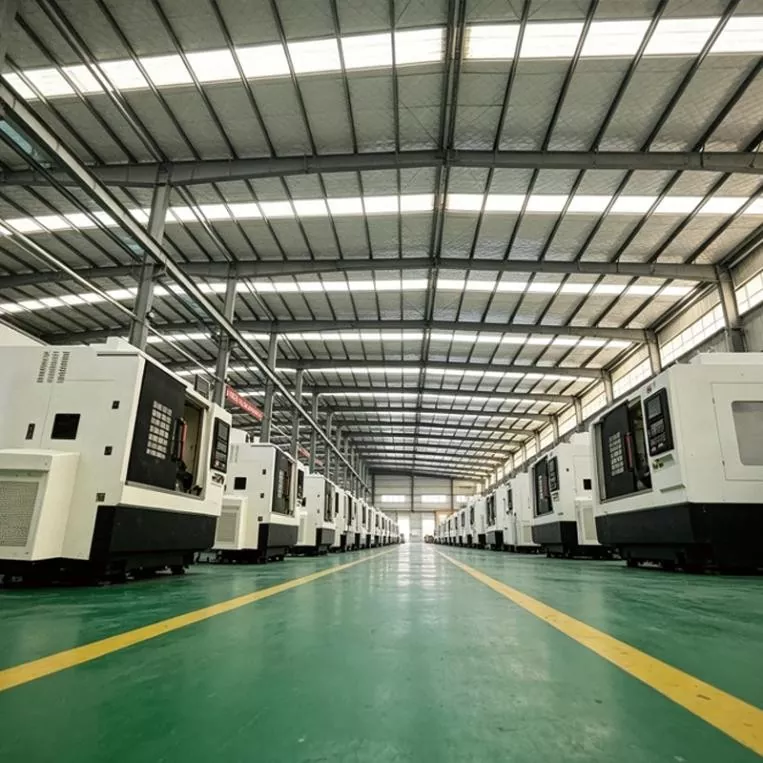
· Our Facility: Our factory is located in Ningbo, Zhejiang, covering more than 10 acres with over 100 experienced workers.
· Machinery Fleet: We operate 12 large cold heading machines, over 20 advanced machining centers, two large stamping machines, and a modern automated electroplating production line.
· Tooling Engineers: Our company has in-house mold designers managing CNC tooling, allowing us to develop new custom shapes or sizes quickly.
· Stable Output: We produce up to 200,000 wheel lug nuts per month to support distributor contracts and planned replenishment orders. Confirm the production allocation for the selected SKU and order schedule.
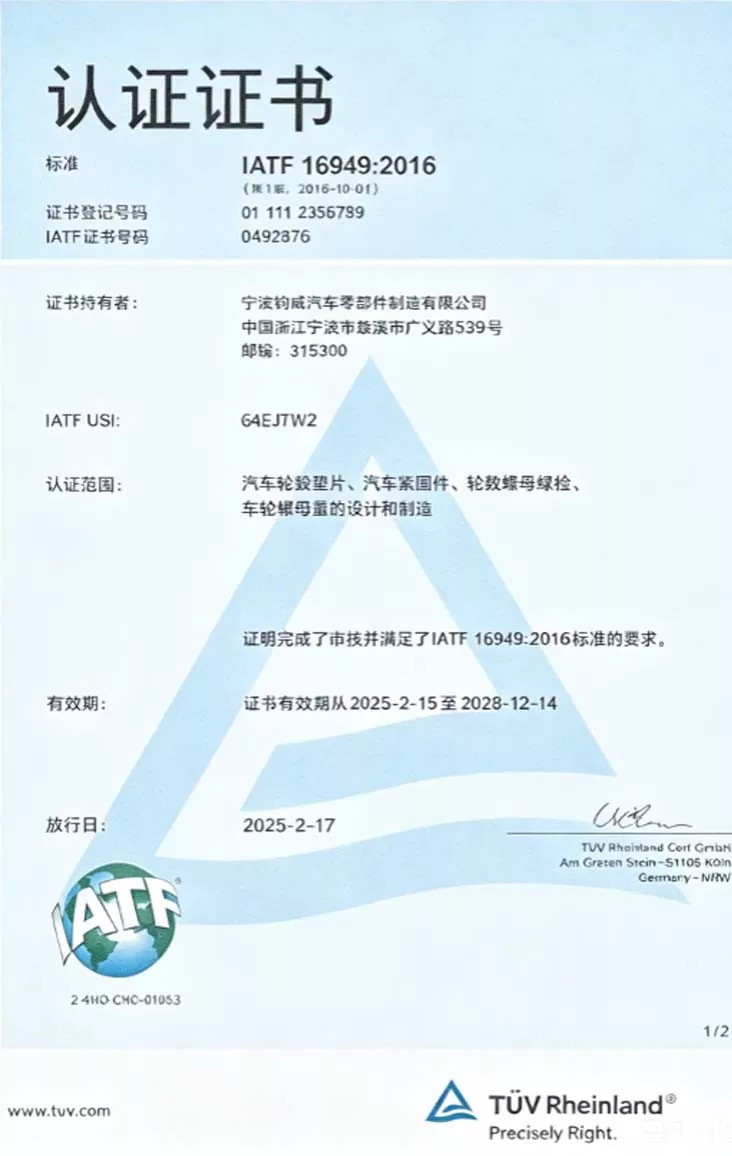
While we focus on internal quality controls over external marketing certifications, our standards are rigorous: 100% raw material inspection, hourly in-process thread checks, and mandatory 72-hour salt spray testing on every batch. We let our product performance speak for itself. Every single batch of raw alloy material is verified before forging. Our quality assurance team checks thread tolerances every hour on the floor, and we issue our own internal Material Reports and 72-Hour Salt Spray Testing Logs before any container is sealed for export. If any batch fails our internal inspection standards, it will not be released for shipment. We stand behind our quality.
Choose an open-end design when a compatible wheel uses extended studs or visible stud protrusion is useful. Check socket depth and wheel-cover clearance. A closed-end design covers the stud tip, but its internal clearance must suit the stud; a covered end does not make the complete fastening joint watertight.
This product uses a 60-degree conical (taper) seat. Confirm the seat specified for the exact wheel, including original and aftermarket wheels; Toyota, Honda, or Mazda branding alone does not establish compatibility. Conical, ball/radius, and flat/mag seats require their respective matching hardware.
Select the material and mechanical requirements for the wheel and stud assembly. Our 50BV30 and SCM435 options use controlled heat treatment with a specified 33–38 HRC hardness range. Hardness alone does not establish nut proof load, fatigue performance, or allowable tightening torque. Use the approved drawing and inspection requirements for the selected SKU.
A deep socket must clear any protruding stud while engaging the nut hex fully. Also check socket outside diameter against the wheel recess and any wheel cover or center cap. A smaller hex does not guarantee that every socket fits the available space.
On a slip-on spacer assembly, added spacer thickness reduces available stud engagement unless the approved hardware compensates for it. For example, a 5mm spacer reduces available stud projection by 5mm when all other dimensions remain unchanged. Changing to an open-end nut does not restore that lost length.
M12x1.5 advances 1.5mm per complete turn. Use the number of fully engaged threads and the approved assembly requirement to check fit; exclude chamfers, unthreaded stud tips, and damaged threads. Do not assume that the nominal 28mm nut thread length is fully engaged in every installation.
1. Inspect Hub Hardware: Check that stud threads, wheel seats, and mating surfaces are clean and undamaged. Follow the specified dry or lubricated installation condition; do not add oil, grease, or anti-seize unless the applicable instructions require it.
2. Align Thread Patterns: Start each M12x1.5 nut by hand. It should turn freely without binding. Verify the required fully formed thread engagement before tightening; a few starting turns only check alignment and are not an acceptance criterion for a secure installation.
3. Torque Sequence: Seat the wheel fully and follow the vehicle and wheel manufacturers' tightening sequence and support procedure. Use a calibrated torque wrench and the torque specified for the complete stud, nut, wheel, and finish combination.
4. No Pneumatic Air Impact Wrenches: Never use heavy pneumatic air impact wrenches to directly drive or tighten alloy lug nuts. Excessive air impact can stretch the steel threads, distort the 60-degree seat alignment, and scratch the premium electroplating surface finish.
· Cleaning Surface Plating: Wash the nuts using standard automotive soap and water. Avoid aggressive acid-based wheel cleaners or alkaline degreasers, which can degrade the electroplated chrome or coating layers over time.
· Regular Torque Inspections: Recheck as directed by the vehicle, wheel, and fastener manufacturers after installation. For track use, include inspections in the event preparation and service schedule. Investigate recurring loosening, damaged seats, or binding threads rather than repeatedly applying more torque.
· Storage of Bulk Inventory: Store wholesale backup cartons in a dry, temperature-regulated warehouse area to maintain surface plating luster prior to market distribution.
Exposed Stud Care: Inspect protruding threads for corrosion, debris, and impact damage during wheel service. Keep them clean and avoid forcing the nut over damaged threads. Confirm spare-wheel fastener compatibility separately if the spare uses a different seat design.
A: Commonly found on various passenger vehicles and aftermarket wheel applications. Always verify thread size, seat type and stud specifications before installation.
A: A conical seat has a straight taper; this product uses a 60-degree included cone angle. A ball seat has a curved radius profile. They are not interchangeable: a mismatch prevents the intended seat contact and can cause loss of clamping force.
A: For standard chrome M12x1.5 specifications held in our factory warehouse inventory, orders can ship within 7 business days with a flexible trial MOQ. For customized surface colors (like black chrome), laser branding, or large production orders, the manufacturing lead time averages 30 to 40 days.
A: Yes. International wholesalers can easily mix these open-end nuts with our core metal products—including wheel fasteners, wheel spacers, and hub centric rings—in a single container to optimize sea freight logistics costs from the Port of Ningbo.
A: Yes. For custom projects and OEM orders, we confirm detailed 2D/3D drawings with the buyer before developing forging dies or machining tooling. The approved drawing identifies the thread, seat, nut dimensions, material, finish, and inspection requirements.
A: No. An open end provides clearance for a stud that is long enough to pass through the nut. A short stud still needs the engagement specified for the approved assembly. Check wheel thickness and any spacer, and select compatible studs and hardware where required.
A: Protrusion depends on stud length, wheel geometry, and the applicable installation or event requirements. A visible tip is a useful check, but the fully engaged thread length and correct seat contact determine whether the assembly meets its specification. Verify any motorsport requirements for the intended event separately.
Get your factory-direct quote within 12 business hours — free samples available upon request.
Send your wheel and stud specifications, selected hex size and finish, order quantity, and packaging requirements to receive a quotation for the correct version.
admin@jwautopart.com
Address
No.539 Guangyi Road, Guanhaiwei Town, Cixi, Ningbo, Zhejiang, China
Tel